
Reviewed · CABO SAN LUCAS SCUBA DIVING
Los Cabos Open Water Diver Course
Learning to go underwater in Cabo is easier than you’d think. This Los Cabos Open Water Diver Course is built for true beginners, with patient SSI-certified instruction, video and theory that actually connect to what you do, and guided underwater time at classic Sea of Cortez spots. I especially liked how small groups keep things calm, and how instructors described skills tests in plain language so nerves don’t run the show. One consideration: you’ll need cash for extra fees at the dock and for park access, and the schedule depends on good weather.
What makes this course work so well is the mix of structured lessons and real-world practice. You get SSI’s Open Water Diver certification (good for international underwater limits up to 18m), plus gear, study material, and refreshments handled for you. The possible drawback is that it’s a busy, skill-focused three days, so if you’re struggling with basic fitness or you hate getting in a tank of water under instruction, you should think it through first.
Key Highlights You’ll Care About
- SSI Open Water Diver certification with international depth limit up to 18m
- 4 total SCUBA sessions, including one confined-water skills session
- Sea of Cortez training in multiple underwater locations
- Small groups, max 4 travelers, which helps personal attention
- Instructors known for patience, including names like Angelo, Camila, Rogelio, and Armando
- Boat safety management with a captain, including Jaime in multiple experiences
Why Cabo San Lucas Works for SSI Open Water Skills
Cabo San Lucas is a popular place to learn because you’re not just practicing theory. You’re working with instructors who can translate skills into what you’ll feel underwater: buoyancy control, breathing rhythm, simple navigation, and calm teamwork.
The course is designed around beginner-friendly sites in the region, including time in the Sea of Cortez. That matters because beginners often struggle when conditions feel unfamiliar. Here, you get guided progression, not random “try it and hope” energy.
You also have practical advantages on land. The meeting point is in central Marina area access, near public transportation, so you’re not forced into complicated transfers before you even start. And since the course runs in a short window each day (morning hours), it fits well with a vacation schedule that still leaves you time for meals, rest, and normal Cabo sightseeing.
You can also read our reviews of more tours and experiences in Cabo San Lucas.
The 3-Day Flow, Theory to Skills to Real Water Work
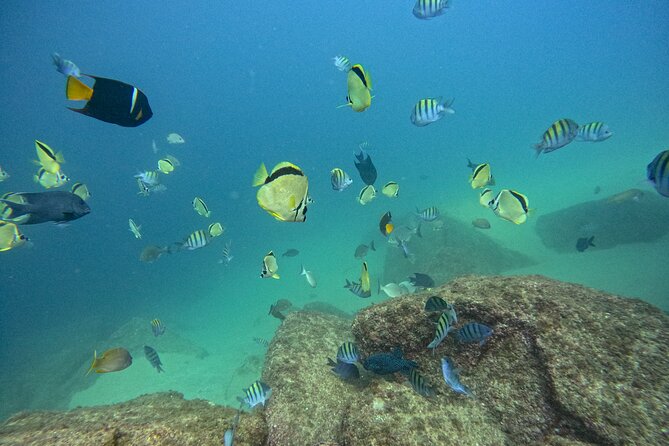
This course runs about three days and follows a clear rhythm: presentation, theory, practice, then underwater sessions in different locations. You’ll spend time with certified SSI instructors who use video presentations and structured explanations. The goal is simple: you should understand what you’re doing, not just copy motions.
Across the three days, you can expect:
- Classroom-style learning with study material and video support
- Practical training for the key skills you need for certification
- A total of 4 SCUBA sessions, including one confined-water session and multiple open-water sessions
- Guided instruction throughout, in English
A nice detail is that Scubaja handles what can turn courses into a hassle. Gear, water, snacks, and lunch are taken care of, which means you show up and focus on learning. For many first-timers, that convenience is the difference between enjoying the process and spending your vacation managing logistics.
One more thing I appreciate is how the course is built to reduce uncertainty. Instructors go step by step through skills and explain tests in a way that helps you see what “success” looks like before you attempt it. That’s especially valuable if you tend to overthink.
Confined-Water Practice That Builds Confidence Fast
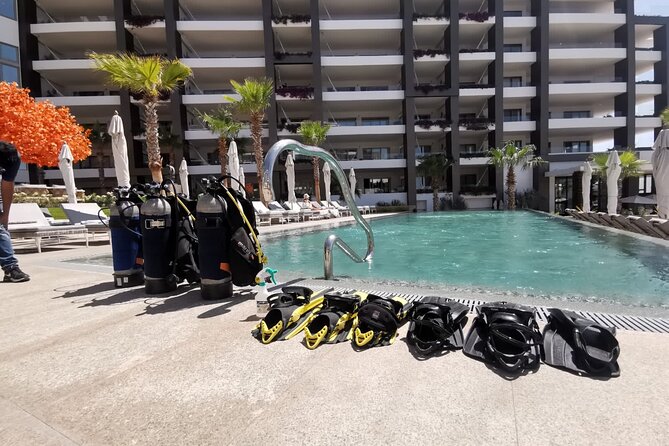
The course includes one confined-water session. This is where you usually learn the core mechanics without the extra pressure of open water. You’ll have space to practice core movements and get comfortable with equipment handling.
Why confined-water matters for you as a beginner:
- You can build muscle memory without worrying about currents or boat traffic.
- You can focus on breathing and buoyancy fundamentals.
- If you get nervous, this is your chance to settle your body first, while the stakes feel lower.
The confined-water session also sets up everything that comes later. When you move outdoors for open-water sessions, you’ll have an internal checklist of what to do, what to watch, and how to stay relaxed when you feel buoyancy changes. That reduces the mental load, which for many people is half the challenge.
Open-Water Sessions in the Sea of Cortez
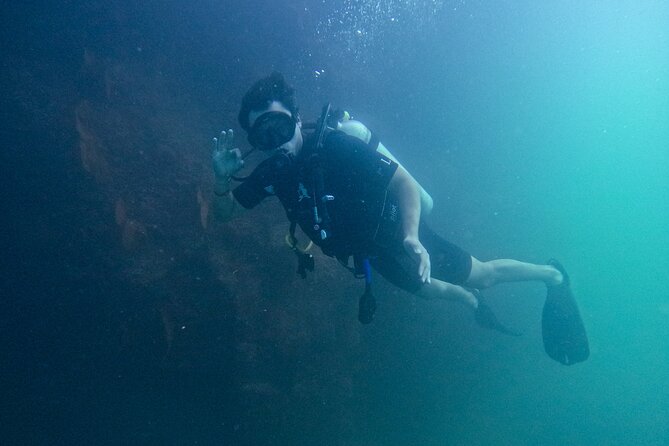
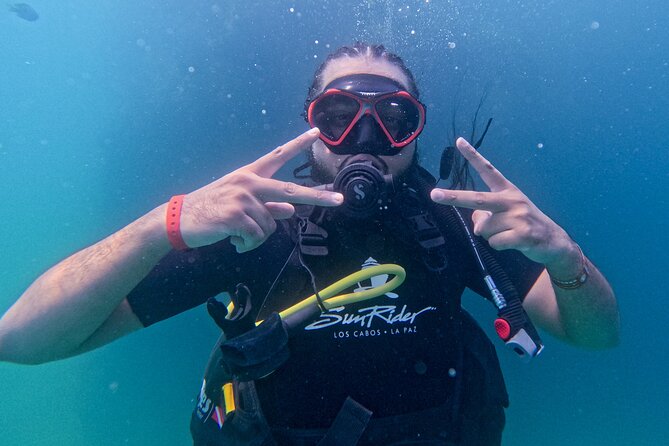
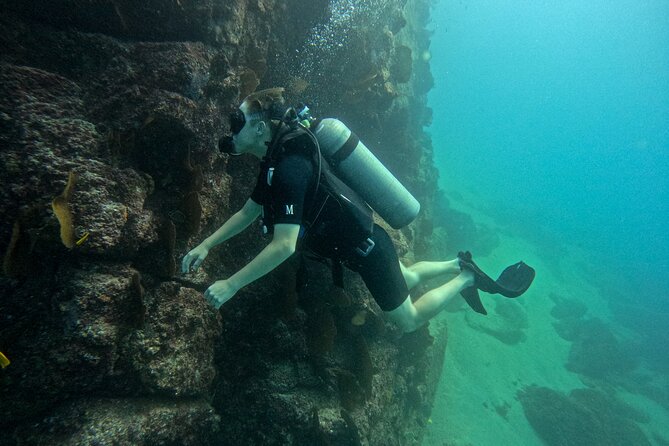
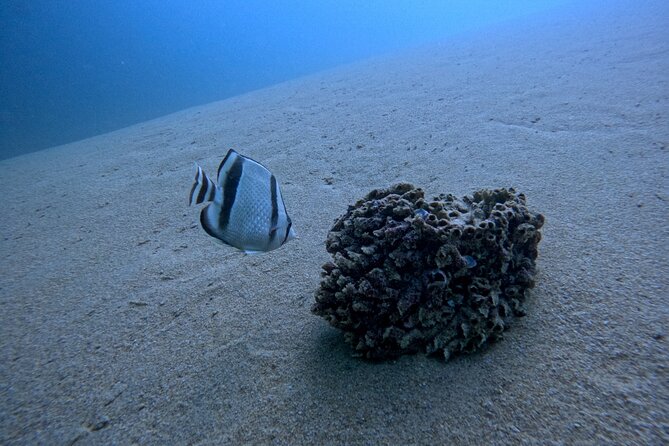
After the confined-water work, you move into open-water training across different locations. The course explicitly includes open-water sessions in the Sea of Cortez, and that’s the part most people are excited about, because you start to see real underwater life and how conditions feel beyond the learning pool.
You should expect the instructor-led approach to be continuous. You’re not thrown into a “free swim” mindset. The focus stays on controlled skill practice while also giving you time to experience what Cabo underwater looks like when you’re doing it correctly.
In practical terms, you’ll learn to manage:
- Breathing rate and air use while staying calm
- Buoyancy so you don’t fight the water
- Situational awareness so you stay with your guide and your plan
- Equipment handling, including what to do if something feels off
One experience detail worth noting from real-life sessions in the area: boat traffic can be busy at certain popular sites. In at least one described course experience, students were working around areas with lots of boats near places like Pelican Rock, and the captain played an active role in keeping the group safe. That’s reassuring because it means safety isn’t treated as an afterthought on the surface.
Boat Days, Captain Control, and What Safety Looks Like
Your course includes a boat component for the open-water sessions. A good captain makes a big difference. You’re dealing with loading gear, getting to the site, managing sound and visibility on the water, and then transitioning smoothly back onto the boat.
From the experiences shared, the captain’s job shows up in two key ways:
- Keeping you safe when the area has lots of other boats
- Helping the group run on schedule so you can focus underwater instead of waiting around
Jaime appears as a captain name in multiple experiences, and the common theme is clear: help with safety when conditions and traffic get busy.
What you should do to benefit most from this part:
- Arrive on time so the boat schedule stays smooth.
- Listen carefully to surface briefing points, even if you feel ready.
- If you feel anxious, tell your instructor early. The best outcomes come from fast communication, not pretending you’re fine.



Price and Logistics: What You Pay, What You Still Need to Budget
The listed price is $555.00 per person for the Open Water Diver Course. That’s not a “cheap snack” price, but it is often fair for the total package you’re getting: SSI training, instructors, study material, equipment use, and multiple underwater sessions with logistics handled.
Here’s how the cost stacks up in what matters to you:
- You’re paying for certified instruction plus structured training over three days.
- You’re not paying separately for gear use.
- Food and water are included, which reduces your out-of-pocket daily spend.
Then there are two extra cash-only fees you should plan for:
- Dock fee: $5.00 per person (cash only)
- Park access fee: $8.00 per person (cash only)
That means your practical total is your course price plus those two fees. I strongly recommend having the cash ready before your first boat day so you don’t end up scrambling on vacation.
Also note the course includes a mobile ticket. That tends to make check-in faster, but still confirm the exact start location details when you receive your booking confirmation.
Gear, Food, and the Small Things That Keep You Relaxed
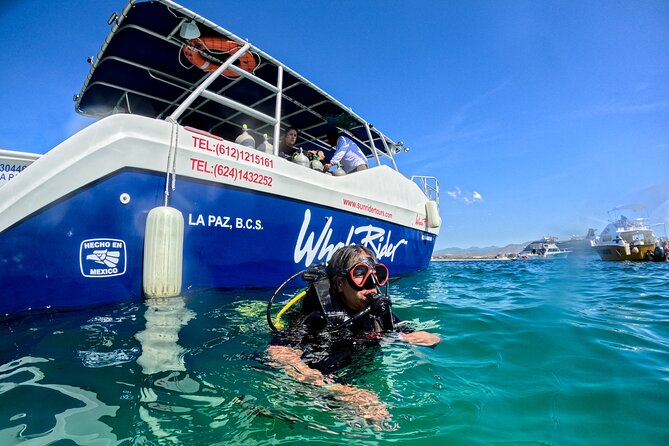
Many first-time SCUBA courses fall apart because students spend energy on setup instead of learning. This one has fewer friction points. Scubaja provides your diving gear, and the course includes snacks like fresh fruit and cookies, plus bottled water. Lunch is also handled as part of the overall setup.
That matters because your comfort affects your learning. If you’re hungry, cold, or dehydrated, your focus drops fast. When those basics are managed, you can concentrate on what your instructor is teaching.
The included study material is another underrated value. You’ll have the material to review what you learn. That helps you understand the certification steps instead of treating them like a guessing game.
Finally, the course runs with a maximum of 4 travelers. Small groups make it easier for instructors to spot confusion early, and it’s easier for you to ask questions without feeling like you’re interrupting a class.
Instructors Who Slow Down for Nerves (This Is the Real Value)
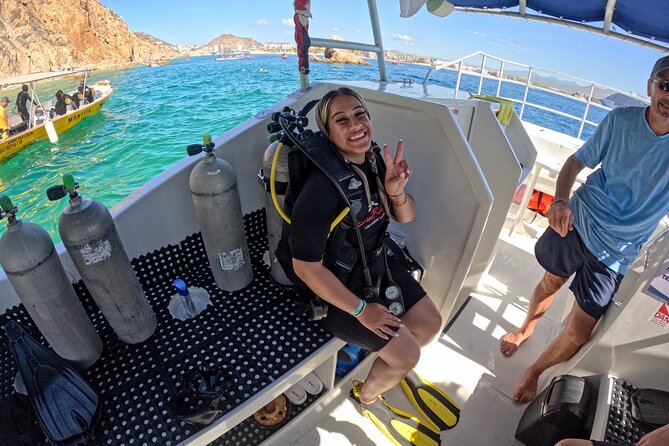
The most praised part of these experiences is instruction style. Multiple people mention instructors who were patient and thorough, and who explained skills tests clearly.
Specific instructor names that come up:
- Angelo, described as thorough and patient, especially with explaining skills tests
- Camila, praised for calming a nervous student and helping a young diver feel comfortable by the second day
- Rogelio, described as professional and thorough, making students feel comfortable quickly
- Armando, praised for making students feel safe and practicing skills with patience
You’ll notice a pattern. The best training isn’t just technical, it’s emotional. If you’re worried about handling equipment or you’re not sure you can stay calm underwater, you need an instructor who can coach you through that part too. These experiences emphasize exactly that: patience, safety, and clear skill explanations.
If you’re bringing a teen or adult who feels anxious, this kind of teaching approach matters even more. You get a structured path to comfort, not pressure.
Who Should Book This Course (And Who Should Think Twice)
This course is a strong fit if you:
- Want SSI Open Water Diver certification in Los Cabos
- Are a beginner who learns best with step-by-step instruction
- Prefer smaller groups and more personal attention
- Value gear, meals, and water being handled so you can focus on the learning
You should also have moderate physical fitness. That doesn’t mean you need to be an athlete, but you should be able to handle being in and out of the water, moving with equipment, and staying comfortable with active instruction.
Think twice if:
- You hate structured skill testing and you don’t do well with coached correction.
- You have serious mobility limits that make equipment handling difficult.
- You know you’re going to be overwhelmed by fast schedule days. The course is focused and time-efficient, so plan downtime after each session.
Finally, weather matters. The experience requires good weather, so be prepared for your plan to shift if conditions are rough.
Should You Book Sunrider Tours for Your Open Water Course?
I’d book this course if you want a beginner-first path to SSI Open Water Diver certification, and you care about safety plus clear instruction. The small group size, the included gear and meals, and the emphasis on patience from instructors all point to a course built for real people, not scuba robots.
It’s also a good value if you’re the type who doesn’t want to spend your vacation day managing equipment rentals and separate meal plans. You pay for a guided, organized experience.
My main “don’t miss this” caution is budgeting for the cash-only dock fee and park access fee. Also, plan your expectations around weather, because underwater training depends on conditions.
If you show up rested, listen closely, and communicate when you feel nervous, this course is one of the more confidence-friendly ways to earn your SSI Open Water Diver certification in Cabo.
FAQ
What certification do I receive?
You receive the SSI Open Water Diver certification, which is the first level of professional scuba certification and allows you to dive internationally up to 18m deep.
How long is the course, and how many sessions are included?
The course runs for about 3 days and includes 4 SCUBA sessions total, with 1 confined-space session and 3 open-water sessions.
Is equipment included in the price?
Yes. The course includes the use of SCUBA equipment, along with study material and snacks, plus bottled water.
What extra fees are not included?
You’ll need to budget for a dock fee of $5.00 per person and a park access fee of $8.00 per person. Both are cash only.
Where do I meet for the activity?
You start at Sunrider Tours, Blvd Marina S/N, Int Gali Plaza Local No. 41, Centro, Marina, Cabo San Lucas, B.C.S., Mexico, and the activity ends back at the meeting point.
What time does the course run?
For 2026, the meeting hours listed are Monday to Saturday, 8:30 AM to 12:30 PM.
More Tour Reviews in Cabo San Lucas
Not for you? Here's more nearby things to do in Cabo San Lucas we have reviewed






Cabo San Lucas Scuba Diving, compared.
 ★ 5.02-Tank Scuba Dive in Cabo San Lucas Reserve for Certified DiversFrom $138263 reviews
 ★ 5.0Beginner Scuba Diving in Cabo San LucasFrom $142247 reviews
 ★ 5.0Private Dive Boat for Certified Divers – Cabo San LucasFrom $545210 reviews
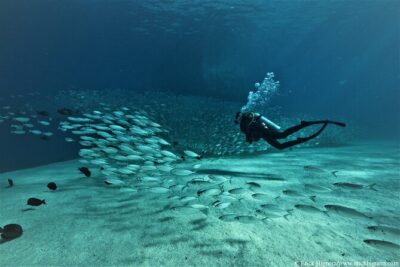 ★ 5.03-Tank Scuba in Marine Reserve and Corridor for Certified DiversFrom $210196 reviews
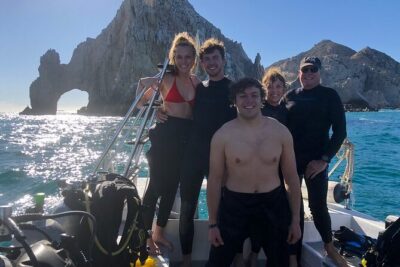 ★ 5.02 Tank Dive – Certified Divers (Santa Maria Bay & Chileno Bay)From $140162 reviews
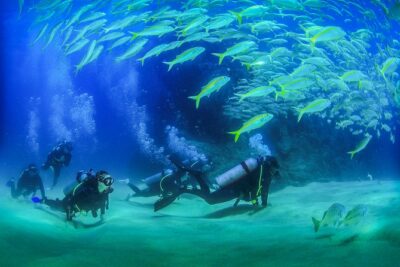 ★ 4.5Learn to Scuba Dive in Cabo San Lucas with PADIFrom $129157 reviews
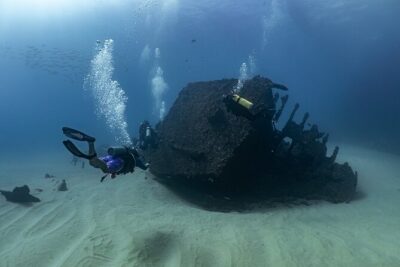 ★ 5.0Scuba DivingFrom $14980 reviews
 ★ 5.02 Dives in the Cabo Marine ParkFrom $13576 reviews
Browse the lists this tour appears in