
Reviewed · CABO SAN LUCAS SCUBA DIVING
PADI Open Water Course in Cabo San Lucas
Scuba certification in Cabo can feel oddly fast. Here you handle PADI Open Water theory, then pool skills, then four ocean training sessions in a spot where the Sea of Cortez meets the Pacific, with a dramatic rock formation nearby. The format is built around getting you confident, not just checking boxes.
My favorite part is the coaching style. Instructors like Fabien, Joy, and Johnny are repeatedly described as patient, clear, and focused on safety, which matters a lot when the first time feeling a little nervous is totally normal. I also like the small group setup, with a maximum of 4 travelers, so you get real attention during practice.
One thing to plan for: the course starts with eLearning. It can take 6 to 10 hours, so you’ll want to knock that out before your 8:00 am day-one meeting, otherwise you’ll feel rushed.
Key Highlights Worth Paying Attention To
- Small group size (max 4) means more one-on-one feedback during pool practice.
- 6 to 10 hours of eLearning is part of the schedule, and you’ll need to finish quizzes and exams.
- Four open-water training sessions in the ocean happen over two days, so it stays focused.
- Instructors you might meet, like Fabien (French, English, Spanish mentioned) and Victoria and Laura, are praised for clear explanations.
- Cabo’s setting, where two seas meet near the rock formation at Land’s End, makes the course feel like more than a classroom exercise.
- The shop’s team shows up with an attitude toward conservation and local ecosystems, not just gear and logistics.
Cabo San Lucas: A Scenic Classroom With Real Ocean Energy
Cabo San Lucas is a pretty special place to learn underwater skills. You’re not in a random pool-only environment. The region sits right where the Sea of Cortez meets the Pacific Ocean, and the shoreline features that signature rock formation at the end of the peninsula. Even before you get into the water, Cabo gives you that “this is the real deal” feeling.
That matters for your mindset. First-time scuba students often do better when the setting feels exciting, not stressful. Here, the course is paired with views that are memorable both above and below the surface, so you’re practicing skills while surrounded by a place worth the effort.
Also, since this is a PADI Open Water course, you’re not just learning “how to swim with gear.” You’re learning a structured system of habits: how equipment works, how buoyancy training feels, and how to follow an instructor’s steps in open water. Cabo is the stage, but the goal is certification you can reuse elsewhere.
You can also read our reviews of more tours and experiences in Cabo San Lucas.
Your Timeline: eLearning, Skill Review, Pool Practice, Then 4 Ocean Sessions
The course is organized in three parts: theory, practice, and ocean sessions. The theory part happens first through PADI eLearning. You can start it any time you want, then you’ll complete quizzes and exams before you meet the instructor.
Plan for the eLearning workload. The guide here says 6 to 10 hours. That’s not a “quick video” task. It’s enough time that you’ll want to do it with a calm schedule, not while rushing between activities.
Once the eLearning is done, you meet your instructor for a review session. This is where they go through what you studied, check that you understand the equipment basics, and then move you into real hands-on practice.
From there, your practical training runs across two full days, starting at 8:00 am. You meet the instructor at Dive Ninja Expeditions, Ignacio Zaragoza 345 Esq, 16 de Septiembre, Downtown, Centro, 23450 Cabo San Lucas, B.C.S., Mexico. Mornings are spent in the pool, and afternoons include ocean training sessions beginning around 1:00 pm.
By the end of the two days, the structure is meant to leave you with four completed open-water training sessions in the ocean, which is what you need to finish the certification path for PADI Open Water.
eLearning in Real Life: How to Avoid Getting Behind
Here’s the simplest way to think about the eLearning portion. If you show up on day one still fuzzy on basics, pool time becomes stressful. If you finish it, the pool becomes progress.
The course is explicit that the eLearning can take 6 to 10 hours and you can begin it anytime. That flexibility is useful if you’re building a trip around Cabo. You can do the coursework days before you fly, and then treat your Cabo days as the fun part, pool and ocean included.
Practical tip: schedule your eLearning like you would a workout. Do one longer session or two shorter ones, then take a break and come back. You’re answering quizzes and finishing exams before you meet your instructor, so the only thing you’re really managing is your time.
One more small benefit: finishing the theory early helps your instructor. During the review, they can focus on the parts you struggled with, instead of re-teaching everything from scratch.
Pool Training: Where Confidence Gets Built
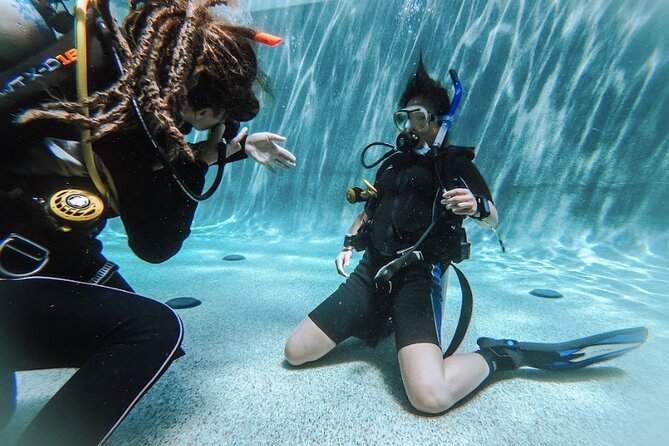
Your first big reality check, and your first big win, happens in the pool. The course includes pool practice where you learn how the gear works and practice the key scuba skills in a controlled environment.
Why I like pool training for first-timers: it’s where errors don’t snowball. In open water, you’re dealing with buoyancy, breathing rhythm, and the motion of the water at the same time. In a pool, you reduce the number of variables so your brain can learn the steps.
The course pacing here supports that. You start at 8:00 am, you spend time in the pool, then you go for ocean sessions in the afternoon. That structure keeps you from feeling like you’re always just getting dragged along. You practice, you correct, and then you try again.
What also shows up strongly in the teaching feedback is patience. Multiple instructors get praised for explaining things clearly and slowing down when someone needs extra time. That kind of teaching style makes a difference if you’re anxious, or if your body needs time to adjust.
If you’ve ever had seasickness on boats, that note matters too. One account mentioned motion sickness and a small panic moment during training, and still described the team as supportive and safe. That tells you the instructors are watching for comfort, not just speed.
Ocean Sessions in Cabo: Four Steps Toward Certification
Once the pool skills are in place, you move into the ocean portion: four open-water training sessions over two days. Expect the course rhythm to stay practical. You’re not sent off as a free-for-all. You’re coached through skills as you learn how they feel outside the pool.
Cabo’s location adds a layer of excitement. You’re learning in a place where the seas meet, and you’re near that famous rock formation at Land’s End. Even if you focus on your training in the moment, the setting tends to keep your motivation up.
Instructors you might meet, like Fabian/Fabien, Victoria, and Laura, are described as making the learning process enjoyable while still hitting safety. That balance is important because open water is where you turn training into actual capability.
And because the group is capped at 4 travelers, you usually get more direct coaching than you would with a bigger crowd. The course even gets described as sometimes being small enough for a more personalized feel, like having just two students with one instructor.
One gentle reality check: ocean conditions can affect comfort. The course does require good weather, and seas can be a factor in how quickly your body settles into the rhythm. If you’re sensitive to motion, bring a calm mindset and tell your instructor early. The better they know what you’re feeling, the faster they can adjust your pace.



Instructors and Team: Patient Teaching, Clear Explanations, and Extra Care
The standout theme in the teaching feedback is patience. Several names come up again and again: Fabiano, Fabien, Johnny, Joy, Le Roux, Victoria, and Laura. Different people, same pattern. Clear instruction. Supportive energy. A focus on safety.
This matters because PADI Open Water isn’t just about equipment. It’s about learning how to think while doing skills underwater. If someone rushes you, you can lose the mental thread. If someone slows down, you learn faster than you expect.
Also, the teaching style is described as engaging. People mention that instructors made the course fun and engaging, not dull or overly technical. That’s a good sign for first-timers. You want to understand what’s happening, but you don’t want the course to feel like homework.
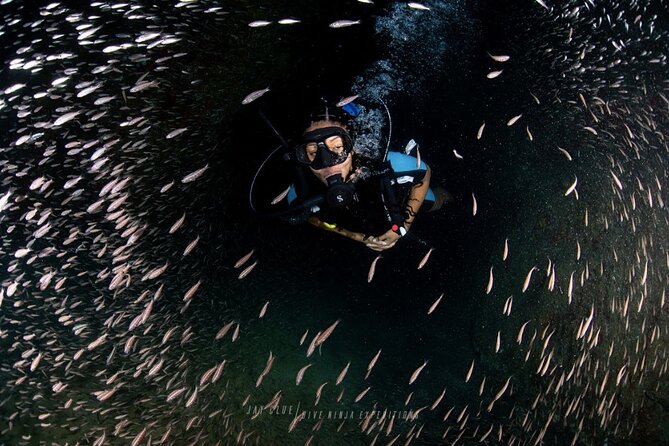
One more thing I’d highlight: conservation and local ecosystems come up in how the team describes their work. If you pay attention during instruction, you’re likely to learn more than just how to clear your mask or manage buoyancy. You get a sense of what makes the local marine environment special, and that can make the training feel more meaningful.
Small Group Logistics: Timing, Meeting Point, and Mobile Ticket
This course has a straightforward schedule and tight group limits. You start at 8:00 am and the activity ends back at the meeting point. The operator notes a maximum of 4 travelers, which is the kind of cap that often improves the training experience.
You’ll meet at Dive Ninja Expeditions in downtown Cabo, at Ignacio Zaragoza 345 Esq, 16 de Septiembre. The listing also notes it’s near public transportation, which is helpful if you’re not driving.
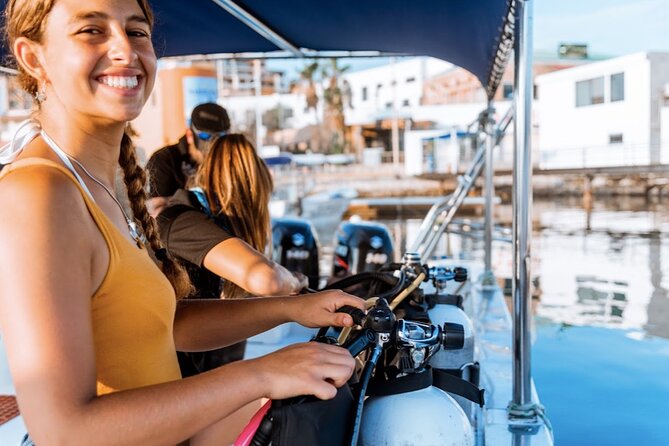
You’ll receive a mobile ticket, and confirmation is sent at booking time. The most practical advice is to arrive a little early. Not because you need extra time for paperwork, but because you’ll want calm energy before your first pool session.
A quick timing note: the “two days, two full days” structure can work well if you planned a tight Cabo itinerary. It’s long enough to finish properly, but not so long that it swallows your entire vacation.
Value and Price: Is $620 a Fair Deal for Two Days of Training?
The price is listed at $620.00 per person, and it’s commonly booked around 82 days in advance. I look at value in terms of what’s included and how efficiently the course gets you certified.
What you’re paying for here is not just a couple of swims. The structure includes:
- theory through PADI eLearning, with quizzes and exams
- a review with an instructor
- pool training to practice equipment and skills
- four ocean training sessions over two days to complete the PADI Open Water certification requirements
You also get a small group cap of 4 travelers, plus instructors who are repeatedly praised for patience and safety. That’s not a small thing. Learning scuba can go wrong when instruction is rushed. Here, the repeated feedback points to the opposite: slowing down so you actually learn.
For travelers, another part of value is the schedule design. You start the practical portion at 8:00 am, you do pool work in the morning, and you go out around 1:00 pm for ocean sessions. That keeps the training day balanced and prevents endless dragging time.
The only real “value risk” is if the eLearning time throws off your planning. If you arrive in Cabo without having finished the coursework, your week can feel more stressful than it needs to. But if you plan your eLearning early, the cost feels like it’s buying focused coaching and efficient progression.
Who This Course Fits Best (And Who Might Want a Different Plan)
This PADI Open Water course fits best if you:
- want a structured path to certification with a widely recognized system
- prefer small groups and more direct instructor attention
- like the idea of learning in Cabo’s dramatic setting, with that rock formation and open-water views
- need patient teaching, especially if you’re a nervous first-timer
It can also be a strong choice if you’re already scuba-reactivate or returning after time out of the water. The experience includes related formats in the operator’s service style, and the team gets praised for helping people refresh skills.
Who might consider adjusting expectations: if you know you struggle with long online modules. The eLearning time is substantial at 6 to 10 hours. If you’re the type who hates doing digital coursework, build in time before your 8:00 am meeting.
Also, if you’re highly prone to motion sickness, tell your instructor. One feedback story included seasickness and panic, and still described support and safety. That’s reassuring, but it’s smart to communicate early so they can help you settle.
Should You Book PADI Open Water in Cabo San Lucas?
If you’re heading to Cabo with at least a couple of calm mornings and you can handle the 6 to 10 hours of eLearning ahead of time, I think this is a strong booking. The training is organized, the group size is capped at 4 travelers, and the instruction feedback is consistently about patience and clear coaching. That combination is exactly what you want for first certification.
I’d book it especially if you want your certification experience to feel like it’s happening in a real place, not just “a training task while on vacation.” Cabo’s ocean setting and the nearby rock formation make the open-water part feel like a highlight.
If you show up unprepared for the eLearning, the course can feel heavier than it should. But if you plan the theory work early, you’ll likely finish the two days feeling proud, not frazzled.
FAQ
What time do we meet for the practical portion?
You meet at 8:00 am for the practical training portion at Dive Ninja Expeditions.
Where is the meeting point for the course?
The meeting point is Dive Ninja Expeditions, Ignacio Zaragoza 345 Esq, 16 de Septiembre, Downtown, Centro, 23450 Cabo San Lucas, B.C.S., Mexico. The activity ends back at the meeting point.
How long is the PADI Open Water course in total?
The duration is listed as 2 days and about 6 hours (approx.), with the practical portion running across two full days.
How much eLearning is required before meeting the instructor?
The PADI eLearning can take 6 to 10 hours, and you’ll need to complete quizzes and exams before meeting your instructor.
How many ocean sessions are included?
The course includes four open-water sessions in the ocean over the two days.
Is this course free to cancel if plans change?
Yes, cancellation is free. You can cancel up to 24 hours in advance for a full refund, based on the experience’s local time.
More Tour Reviews in Cabo San Lucas
Not for you? Here's more nearby things to do in Cabo San Lucas we have reviewed






Cabo San Lucas Scuba Diving, compared.
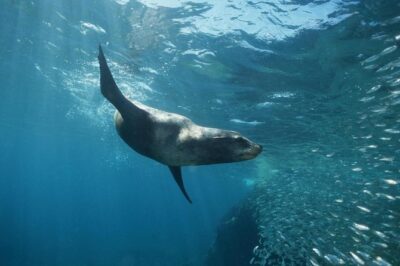 ★ 5.02-Tank Scuba Dive in Cabo San Lucas Reserve for Certified DiversFrom $138263 reviews
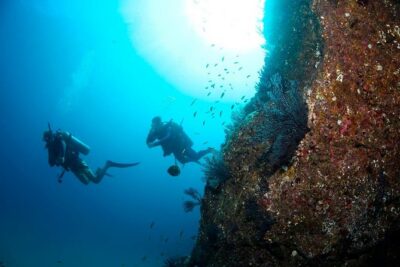 ★ 5.0Beginner Scuba Diving in Cabo San LucasFrom $142247 reviews
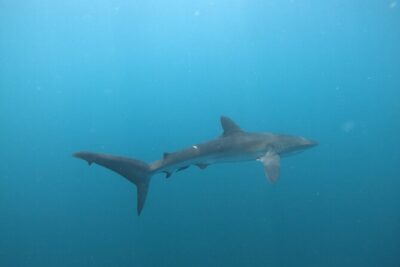 ★ 5.0Private Dive Boat for Certified Divers – Cabo San LucasFrom $545210 reviews
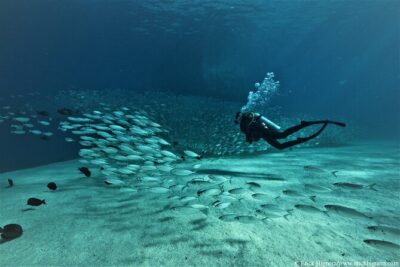 ★ 5.03-Tank Scuba in Marine Reserve and Corridor for Certified DiversFrom $210196 reviews
 ★ 5.02 Tank Dive – Certified Divers (Santa Maria Bay & Chileno Bay)From $140162 reviews
 ★ 4.5Learn to Scuba Dive in Cabo San Lucas with PADIFrom $129157 reviews
 ★ 5.0Scuba DivingFrom $14980 reviews
 ★ 5.02 Dives in the Cabo Marine ParkFrom $13576 reviews
Browse the lists this tour appears in