
Reviewed · LOS CABOS COOKING CLASSES
Azteca Tacos Cooking Class
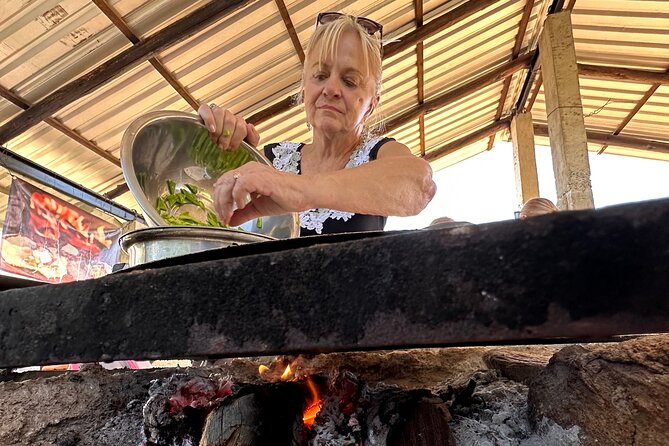
Cabo feels worlds away here. This Azteca Tacos cooking class takes you to a working Baja rancho focused on agriculture, especially the ancestral cactus called nopal. You learn why nopal matters, then you cook, eat, and share the table with the rancho family.
What I love about this experience is how hands-on it stays, from making tortillas by hand to using the traditional Mexican grinder called the molcajete for salsa. And because the group is limited to a maximum of 6, you get a real chance to ask questions and cook at your own pace.
One thing to think about: it’s scheduled for 3:00 pm and lasts about 4 hours 30 minutes, and the activity requires good weather. If Cabo weather turns messy, you may get a change of date or a refund.
Key Things You’ll Notice on This Cabo Nopal Tacos Class
- A true rancho setting where nopal agriculture is the main economy, not a demo kitchen
- Small group size (max 6), so the experience feels personal and not rushed
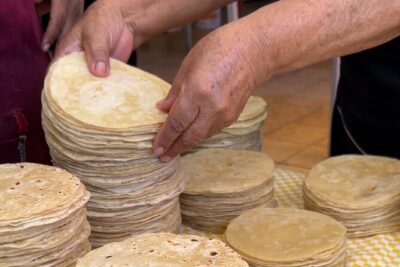
- Tortillas made by hand with corn flour, giving you a real skill not just a meal
- Salsa with a molcajete, the traditional stone tool that changes how salsa tastes
- Dinner included, and you eat what you help make with the rancho family
From McDonald’s to a Baja Rancho, Without the Tourist Spin
The day starts at 3:00 pm with pickup options built around Cabo San Lucas. Your meeting point is McDonald’s at Valentín Gómez Farias Boulevard, Lázaro Cárdenas Boulevard, El Medano Ejidal, 23479 Cabo San Lucas, B.C.S., Mexico. If you’re not getting picked up, you’ll want to message in advance so you get the correct instructions for meeting the group.
This tour is built for an easy mid-afternoon plan. You’re out for about 4 hours 30 minutes, and it ends back at the meeting point. That matters in Cabo, where “half-day” can sometimes turn into a long, unclear ride schedule. Here, you can plan your evening with more confidence.
If you are staying somewhere inside Cabo San Lucas, pickup is offered. If your resort or area is not shown on their list, you can still request pickup by direct message. If you are arriving on your own, you should message them so they can guide you based on how you’re getting there.
And yes, you’ll ride in an air-conditioned vehicle and have bottled water along the way. That’s a practical detail that makes the whole experience more comfortable.
You can also read our reviews of more cooking classes in Cabo San Lucas
Why This Class Centers on Nopal (And Why That’s a Good Thing)
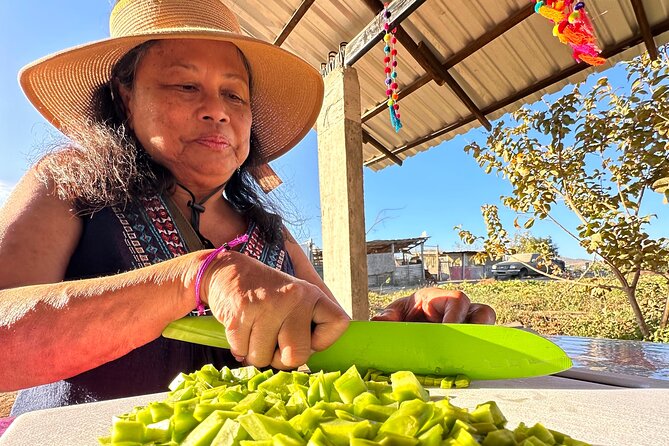
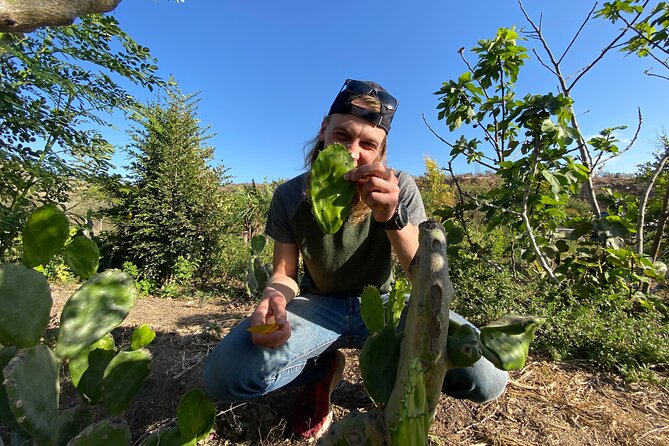
The heart of the lesson is the rancho itself. You’ll visit a humble Baja rancho where agriculture is the main work, and nopal is a key focus. That means you learn about nopal not as a trendy ingredient, but as a crop with real properties, real production steps, and real economic relevance.
This is the difference between a cooking class and a cooking class with context. When you understand what you’re working with, everything tastes more meaningful. Nopal is not just added to food. It has a role in how the rancho survives and what the family grows.
You’ll also hear about how it’s used and produced, which helps you connect the dots between farm work and what ends up on your plate. Even if you’re not a food science nerd, it gives the meal a stronger story than just following a recipe.
Nopal Basics, Local Questions, and the Small-Group Advantage
Because the tour caps at 6 travelers, the guide has time to slow down. That matters for questions like: How is nopal harvested, what makes it useful, and why does it show up in local cooking? With a larger crowd, those conversations often get cut short.
The experience also leans on strong guidance from Danny and Jordan, who come across as clear and genuinely engaged. That kind of hosting changes the whole tone of a class. You’re not just following steps. You’re learning the why behind them, and the pace feels humane.
You’ll likely spend time learning about nopal properties and production, then applying that knowledge in the food steps. That order helps you remember what you learned because you’re not separating “history and agriculture” from “what I’m eating.”
Making Tortillas by Hand: The Skill You’ll Actually Use Again
One of the most memorable parts is that you don’t just taste tortillas. You make them. The class includes learning the process of making tortillas by hand with corn flour, so you experience the texture and technique firsthand.
For you, this is practical. If you’ve ever tried to buy “authentic” tortillas after traveling, you know they can be inconsistent. Learning the process helps you recognize what good tortillas should feel like and what changes the results.
There is also something satisfying about the physical rhythm of making tortillas. Even if you’re not sure what you’re doing at first, you get feedback as you go. It’s hands-on learning, not a lecture.
And since tortillas are your base for the tacos, you get to connect each step to the final meal. When your tortillas are part of the result, the cooking class feels more rewarding.
Salsa Time with the Molcajete: Why Stone Still Matters
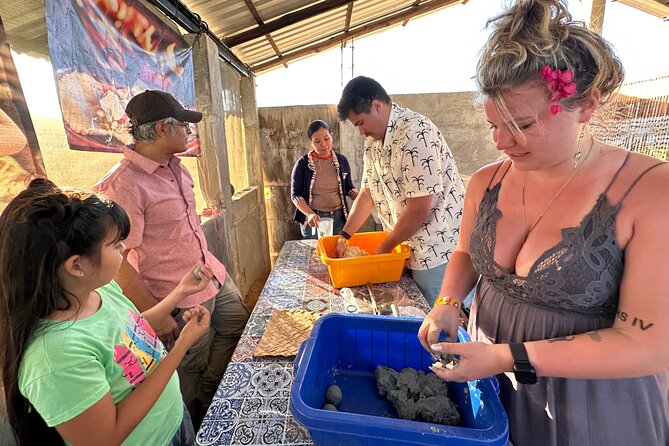
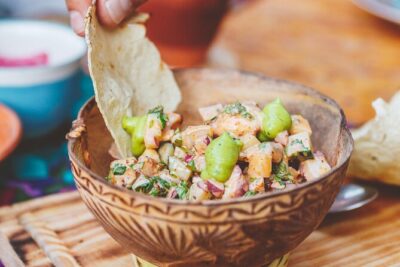
Next comes salsa, and you make it using the traditional Mexican grinder called the molcajete. This is a big deal even if you think you’re “just” making salsa, because stone changes how ingredients break down.
Instead of a smooth, fast blend, you’ll get a more grounded texture. You’ll also likely notice how flavors develop when ingredients are crushed and worked together. That’s part of why molcajete salsa tastes different from many quick blender versions.
This step is also where you can tune the outcome. With hand work, you can adjust how chunky or smooth you want it to feel. That turns salsa from a one-size-fits-all component into something you’re shaping.
If you like meals where the flavors are built from scratch, this is one of the best value points of the class. You’re not relying on pre-made sauces to carry the experience.
More Cabo tours, Baja day trips, and sea-to-desert experiences



Your Nopales Tacos Dinner, Cooked by You
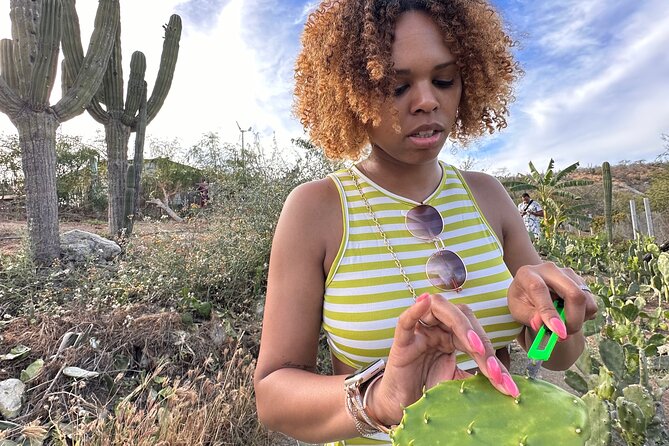
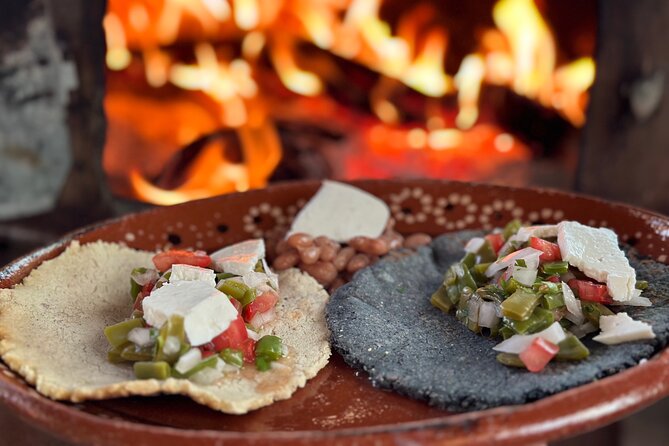
The sample menu gives you a clear picture of what you’ll be eating at the end. The main dish includes nopales tacos with tomato, cilantro, onion, goat cheese, beans, and salsa. You’ll cook as part of the process, then you finish with a meal you help prepare.
Dinner is included, which keeps the experience simple. It also prevents the common problem where a “short class” ends with you hungry. Here, you’re meant to leave fed.
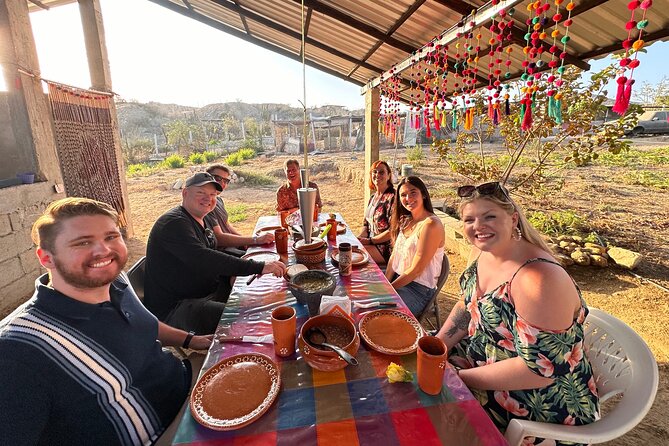
The rancho family connection is another highlight. You share the table with the native rancho family, which is exactly the kind of moment that turns “a cooking class” into a real cultural exchange. In the atmosphere, you can feel how family life and food are linked, not separated into a performance for visitors.
The guides, including Danny and Jordan, help keep things flowing so you can focus on cooking and eating rather than worrying about what happens next. And the overall vibe tends to be warm and relaxed. You might find that families with small children are part of the setting too, which adds an honest, everyday feel.
Price and Value: Is $135 Worth It?
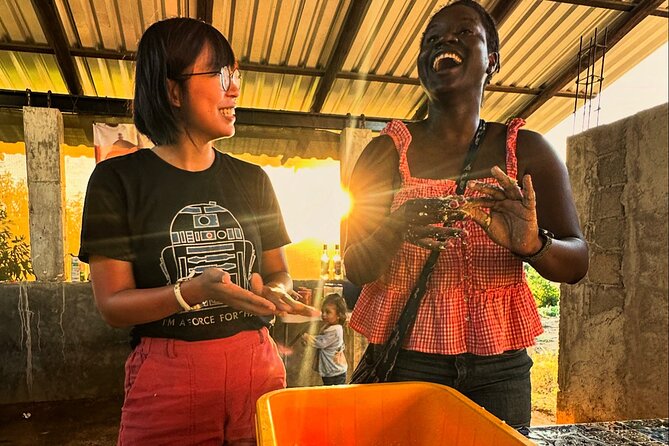
At $135 per person for about 4 hours 30 minutes, this is not a budget taco snack. But the value isn’t just in the food. It’s in the access and the process.
Here’s what you’re paying for, in real terms:
- A small group (max 6) that supports hands-on instruction
- A working rancho setting tied to nopal agriculture, not a staged demonstration
- Multiple making steps, including tortillas by hand and salsa with a molcajete
- Dinner included, so you’re not adding another meal cost right after
If you like experiences where you learn a few concrete skills you can repeat, this price can make sense quickly. Tortillas and molcajete salsa are hard to replicate as a tourist with no guidance. Add the rancho family table, and the experience feels more complete than a “two tacos and a lesson” stop.
If you’re mainly chasing the fastest possible way to eat in Cabo, you might prefer something shorter or cheaper. But if you want a hands-on afternoon tied to Baja agriculture, this one has stronger value.
Who Should Book This Cooking Class in Cabo?
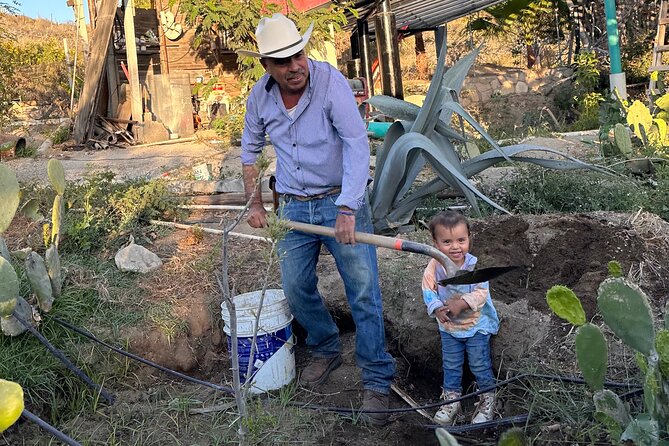
This tour is a great fit if you want a more grounded side of Cabo. It’s set away from the typical tourist flow, and the focus stays on local work and local food.
You’ll also enjoy it if you like cooking classes that teach technique. Making tortillas and salsa from scratch gives you skills, not just tastes. The nopales tacos meal also means you’re trying a specific Baja ingredient at the center of the rancho’s life.
It’s especially good for people who appreciate small-group settings. With only up to 6 travelers, you won’t feel lost in a crowd or stuck watching others cook. And if you want the chance to talk with your guides, Danny and Jordan’s style supports that.
Service animals are allowed, which is helpful to know if you travel with an animal.
A Few Practical Considerations Before You Go
This activity depends on good weather, so you should be ready for the possibility of schedule changes if conditions are poor. Since the class starts at 3:00 pm, plan your afternoon so you’re not cutting it too close if you need to coordinate pickup.
Also, the tour ends back at the meeting point. That’s convenient, but it means you might want to keep your evening transport plans simple.
Finally, check gratuity expectations on your own. Dinner is included, but gratuity is not.
Should You Book Azteca Tacos in Cabo San Lucas?
I’d book it if you want a Cabo experience that feels closer to real life than a drive-thru version of Mexican food. The combination of nopal agriculture, hands-on tortilla and salsa making, and dinner with the rancho family is exactly what turns a cooking class into a memorable afternoon.
Don’t book it if your priority is a quick, low-effort meal. This is an active, skill-building experience, and you’ll get more out of it if you’re in the mood to cook and learn.
If you can handle a 3:00 pm start and you’re traveling on a day with solid weather, this one is easy to recommend.
FAQ
Where does the Azteca Tacos Cooking Class start?
The tour starts at McDonald’s on Valentín Gómez Farias Boulevard, Lázaro Cárdenas Boulevard, El Medano Ejidal, 23479 Cabo San Lucas, B.C.S., Mexico.
What time does the experience begin?
The start time is 3:00 pm.
How long is the cooking class?
It lasts about 4 hours 30 minutes.
How much does it cost per person?
The price is $135.00 per person.
Is pickup available?
Pickup is offered. If your resort or location is not shown, you can send a direct message to arrange pickup (only in Cabo San Lucas). If you’re arriving on your own, message the operator for further instructions.
Is the tour offered in English?
Yes, it is offered in English.
What’s included in the price?
Included are an air-conditioned vehicle, bottled water, and dinner.
What is not included?
Gratuity is not included.
What is the cancellation policy?
You can cancel for free up to 24 hours in advance for a full refund. If canceled less than 24 hours before the start time, no refund is provided. If the experience is canceled due to poor weather, you will be offered a different date or a full refund.
More Workshops & Classes in Cabo San Lucas
More Cooking Classes in Cabo San Lucas
More Tour Reviews in Cabo San Lucas


Not for you? Here's more nearby things to do in Cabo San Lucas we have reviewed






Los Cabos Cooking Classes, compared.
 ★ 5.0Cabo San Lucas Mexican Cooking Class Experience and Local MarketsFrom $144915 reviews
 ★ 5.0Authentic Mexican Legacy Cooking Class in Cabo San Lucas530 reviews
 ★ 5.0San Jose del Cabo Cooking Class Experience and Local MarketsFrom $144244 reviews
 ★ 5.0Tamales or chiles rellenos cooking class,tequila & Mezcal tasting17 reviews
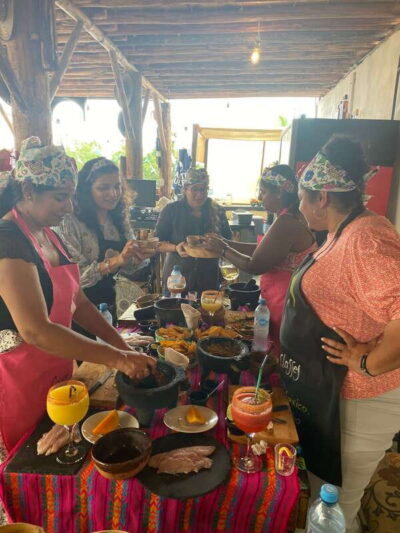 ★ 4.8San José del Cabo:Cooking Class +Margaritas & Mezcal tastingFrom $11512 reviews
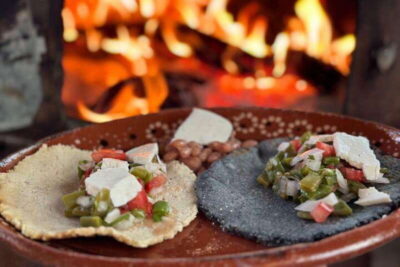 ★ 5.0Azteca Cactus Taco Farm to Table Cooking ClassFrom $959 reviews
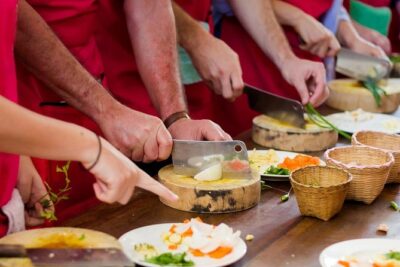 ★ 5.0Private Mexican Cooking Class in Your Cabo San Lucas Villa or CondoFrom $908 reviews
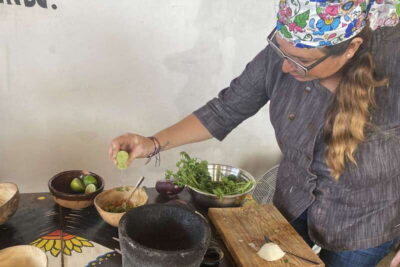 ★ 4.8San José town : Cooking class,mexican Empanadas y antojitosFrom $1414 reviews
Browse the lists this tour appears in