
Reviewed · LOS CABOS COOKING CLASSES
Los Cabos: Azteca Cactus Taco Farm to Table Cooking Class
Cactus tacos start with dirt and sun. What makes this Los Cabos class interesting is the full route from a working farm near Cabo San Lucas to a farm-to-table meal, ending with a sunset walk along the Pacific. I love that you get hands-on with the prickly nopal cactus, not just a cooking demo, and you also learn why it matters in Mexican food.
My favorite part is the personalization, from harvesting to making tortillas and tasting spicy salsa you helped create. One drawback to factor in is that the tour is not suitable for people with mobility impairments, and it includes time on a ranch and a natural beach walk.
Key highlights worth centering your day around
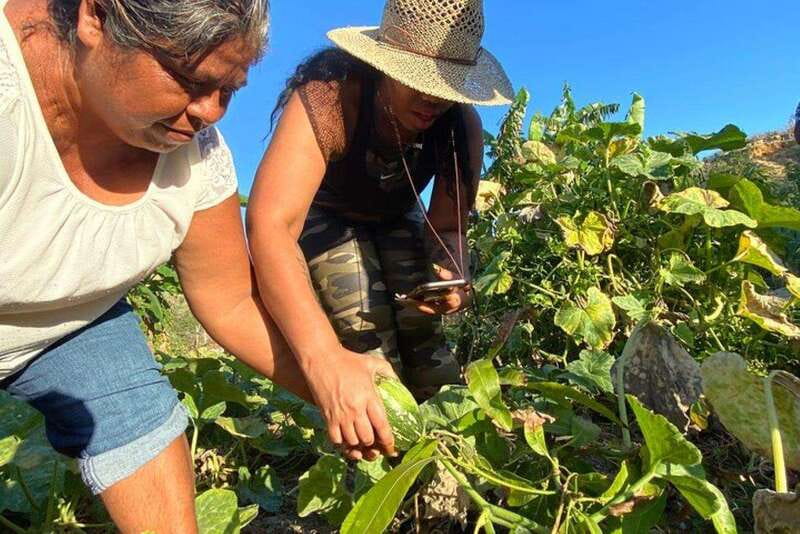
- Hands-on nopal harvest that turns a plant lesson into something you actually cook
- Small-group size (limited to 6), so the guide can keep things friendly and moving
- Tortilla making from scratch, plus spicy salsa for a bigger flavor payoff
- Meet the rancher family, so the meal feels personal, not staged
- Pacific-coast sunset walk, which helps the whole experience land in your memory
From Cabo pickup to goat time: the start of the day
Most Cabo food experiences start with a bus and end with lunch. This one starts with a drive. You’ll be picked up from your hotel, but only if it’s in the Cabo San Lucas area, then taken about 35 miles north to a local ranch setting.
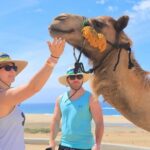
At the ranch, you get a quick feel for daily life, including time with native animals, specifically goats. It’s a simple start, but it matters. It sets the tone that this is about place, not just plate. You’re stepping into the Baja environment, where plants and animals are part of how people live and eat.
Logistically, you should plan on being out for 4.5 hours total. That half-day format is a sweet spot when you want something local without losing the rest of your Cabo evening.
You can also read our reviews of more cooking classes in Cabo San Lucas
The nopal harvest class with Danny: why this plant is the star
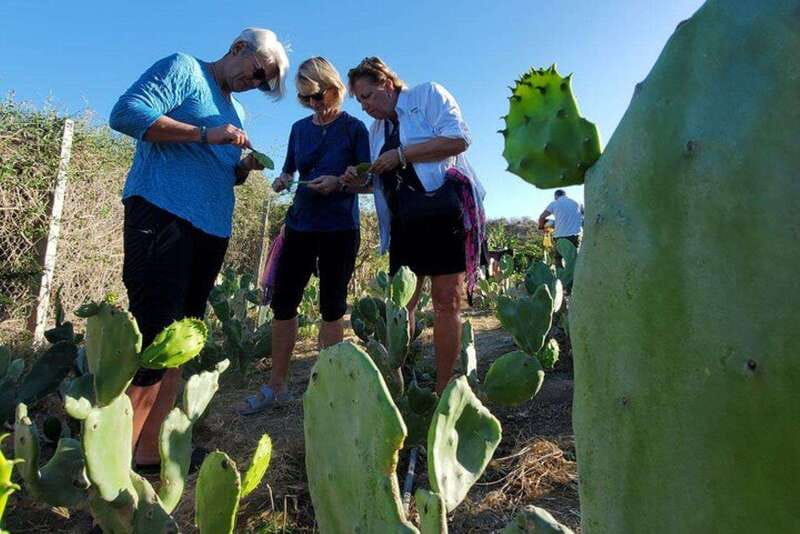
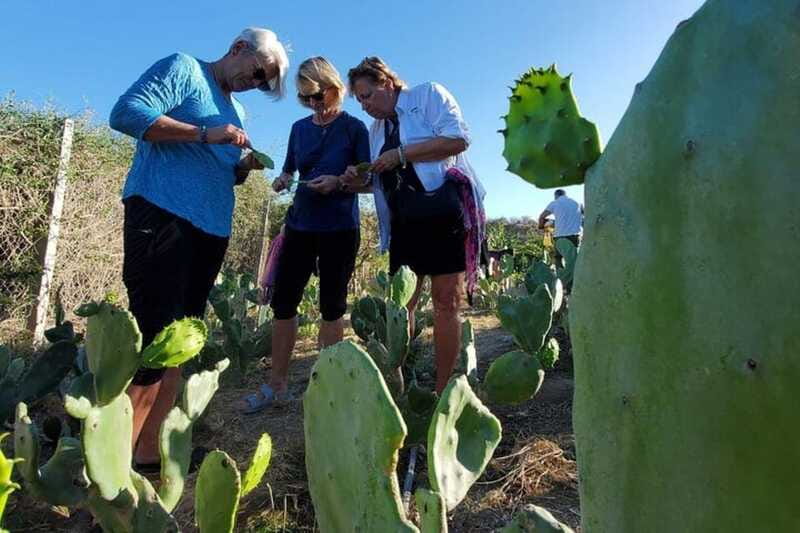
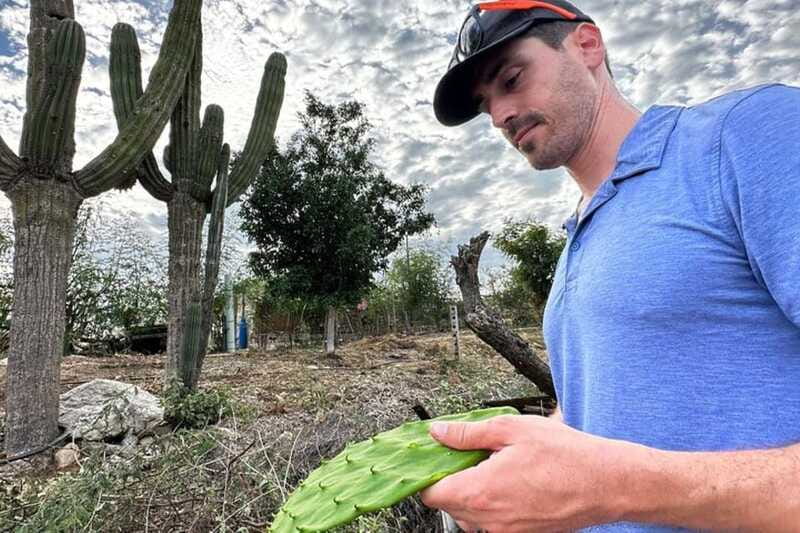
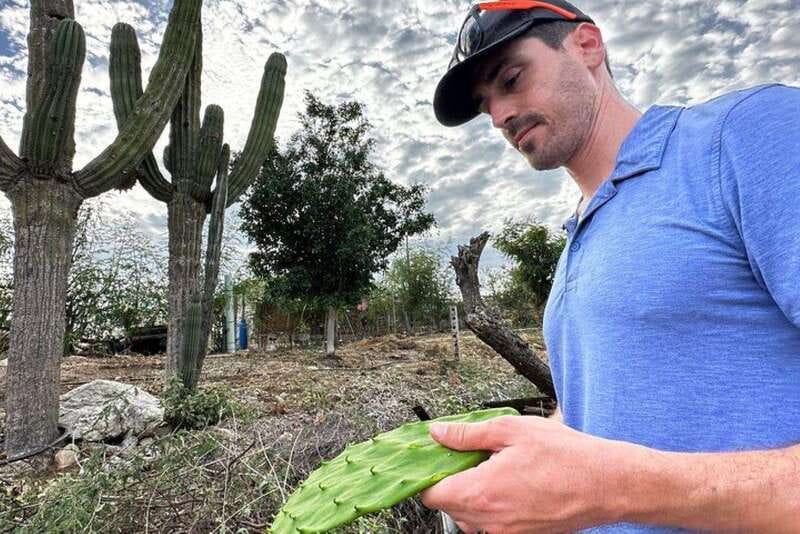
The main event is the harvest class. This is where the tour earns its name. You learn what the nopal cactus is, why it’s important, and how it fits into Mexican cuisine. The best part is that the lesson isn’t stuck at trivia level, it’s connected to what you’ll eat next.
You can expect a guided run through the plant and its significance, then a hands-on harvest experience. You’re not just watching someone else do the work. You’ll be working with the ingredients of the meal, which helps you taste the food later with a clearer sense of what you contributed.
A big bonus here is the history lesson that comes after the harvest. Nopal isn’t presented as a trendy Instagram ingredient. It’s framed as an iconic plant tied to the region’s food culture and how people use what grows locally. That context is what makes the experience feel more meaningful than a standard cooking class.
And yes, the guide matters. In this experience, Danny is repeatedly called out for being funny and friendly while still teaching with real confidence. That combination keeps the class from feeling stiff, especially if you’re worried you’ll be the quiet one in the group.
Turning your harvest into cactus tacos (with tortillas you make)
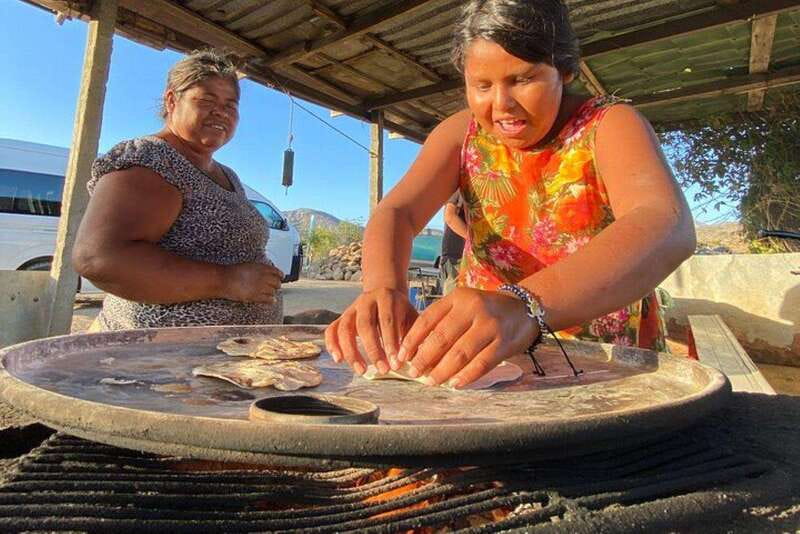
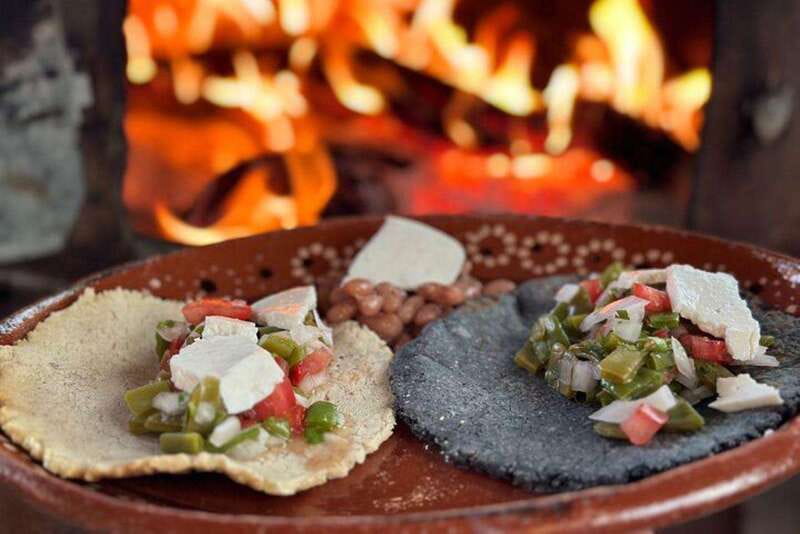
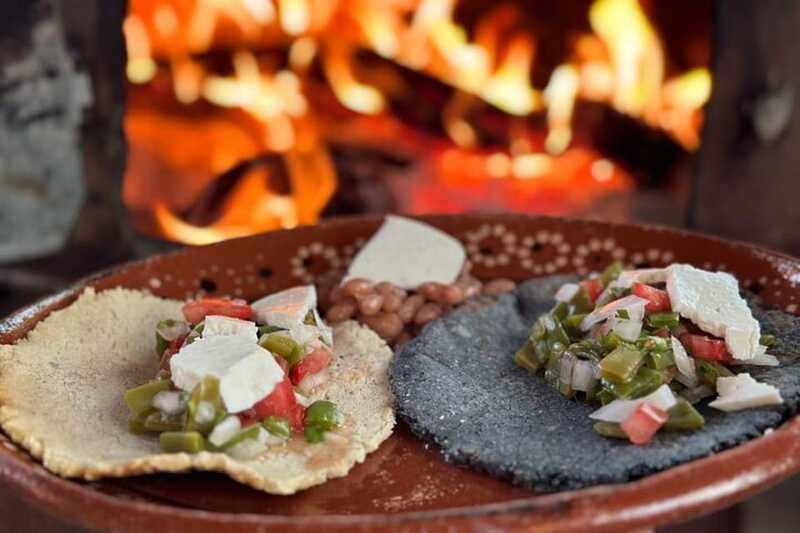
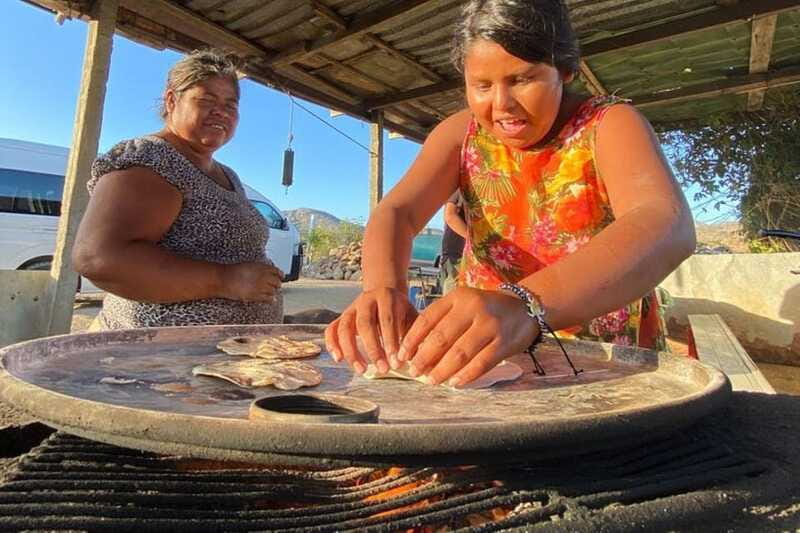
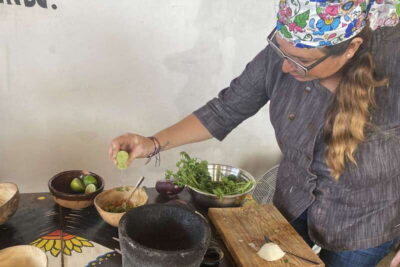
After you harvest, the work becomes dinner. You’ll turn what you collected into cactus tacos with guidance from a Baja chef and the ranch team. This is where the day shifts from learning to doing, then to eating.
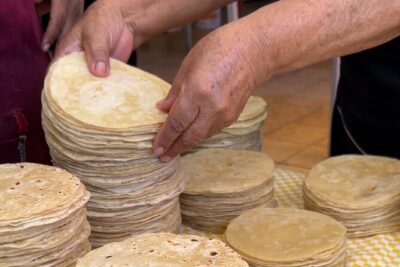
You also make your own tortillas. That’s a key difference versus tours that give you a tortilla that already exists, wrapped and waiting. Tortilla-making is hands-on and physical, and it usually forces everyone to slow down just enough to notice texture and process. Even if you’re not a food person, tortilla work tends to click fast because you can see your results.
Then comes the payoff: you’ll taste what you made, including spicy salsa. If you like heat, this is where you’ll actually feel in control. You’re not stuck with one flavor note. You’re building your own bite by deciding how the salsa fits into your tacos.
One practical consideration: because the focus is on cooking and tasting, you should arrive with a normal appetite. You’ll be active for a bit, and you’ll want to enjoy the meal without rushing through it.
Farm-to-table is more than a slogan at the ranch table
After the cooking, you sit down with the Ranchero Family as your meal is served. This is one of the most praised pieces of the experience, because it shifts the vibe from lesson to hospitality.
What I like about this structure is that it connects three dots:
- the ranch environment
- the ingredients you harvested
- the people who run the place and share how they live
This is also where you’re likely to learn how the farm approach supports the community around it. Several accounts highlight that this kind of community-based tourism gives back to local families rather than feeding only the bigger resort machine. Even if you don’t care about that angle going in, you’ll feel it in how the meal is presented and how the group interacts with the hosts.
It’s served as a real shared moment, not a conveyor-belt lunch. And because the group is limited to 6 participants, you’re not just passing through. You can actually talk, ask questions, and hear stories without shouting over a crowd.
The natural beach walk and the Pacific sunset finish
Once dinner is done, the tour doesn’t fade out. It adds a nature component that helps the whole day feel connected instead of random.
You’ll take an interpretive natural beach walk, with guidance on local flora and fauna and why they matter. The tour frames this connection as something that links back through time, tying plant life to Mexican heritage and the way people understand and use the land.
Then you get the grand finale: a sunset walk along the Pacific coast. This is one of those endings that’s simple and effective. The light changes, the air cools a bit, and you get time to process the day without another round of instructions.
If you’re the type who likes to end an excursion with a view, this portion helps the class feel complete. The food is the center, but the coast is what turns it into a memory.




Price and logistics: what $95 buys you in the real world
At $95 per person, the price can look like a splurge until you break down what’s actually included. You’re getting:
- hotel pickup and drop-off (within Cabo San Lucas area)
- entrance to the ranch
- the cooking class and instructor
- all necessary materials
- bottled water
That matters because the value isn’t only the tacos. It’s the full package of access, instruction, and hands-on time. Many Cabo experiences charge similarly for something that ends up being shorter, more scripted, or with fewer learning moments.
Duration also helps you judge value. This is 4.5 hours, so you’re not spending most of that time idling in a vehicle. You’re working, learning, eating, and walking, with distinct sections that feel like a complete arc.
Two small things to plan around:
- Drinks are not included beyond bottled water, so if you like something else, plan to purchase it separately.
- Pickup is limited to the Cabo San Lucas area, so if you’re staying outside that zone, you might need another plan.
Who should book this nopal cactus taco class
This is a great fit if you want Cabo that feels more local and less showroom. You’ll likely enjoy it most if you:
- want a true hands-on food experience
- care about how local plants show up in Mexican cuisine
- like small groups and direct interaction with hosts
- enjoy nature walks and sunset scenery
It may not be the best match if you need step-free or low-mobility conditions. The experience is listed as not suitable for people with mobility impairments, and that makes sense given the ranch setting and the natural walk segments.
Kids under 4 years old are also not suitable. If you’re traveling with younger toddlers, you’ll want to consider alternatives.
Should you book Los Cabos: Azteca Cactus Taco Farm to Table?
Book it if you want a Cabo day that links food, farm life, and the coast in one smooth half-day plan. The nopal harvest plus tortilla making, handled by a guide like Danny, is the kind of combo you don’t get at a resort restaurant. You’ll leave with more than a full stomach, you’ll also carry a better sense of why this plant is part of regional identity.
Skip it if your priority is staying completely hands-off with minimal walking. Also consider it if you dislike spicy flavors, because salsa is part of the core tasting. Even so, you can usually control how much you add to your bite.
If you’re open to learning, working a little, and ending in Pacific sunset light, this is a strong choice for a memorable Cabo meal day.
FAQ
How long is the cooking class experience?
The experience lasts about 4.5 hours.
What is the meeting and hotel pickup like?
You get hotel pickup and drop-off, but pickup is only for hotels in the Cabo San Lucas area.
How big is the group?
This is a small-group tour limited to 6 participants.
What’s included in the price?
Hotel pickup and drop-off, entrance fee to the ranch, the cooking class, instructor, all necessary materials, and bottled water are included.
Are drinks included?
No. Drinks are not included, though bottled water is provided.
Is it suitable for young children or mobility needs?
It is not suitable for children under 4 years old, and it is also not suitable for people with mobility impairments.
More Cooking Classes in Cabo San Lucas
More Tour Reviews in Cabo San Lucas
Not for you? Here's more nearby things to do in Cabo San Lucas we have reviewed








Los Cabos Cooking Classes, compared.
 ★ 5.0Cabo San Lucas Mexican Cooking Class Experience and Local MarketsFrom $144915 reviews
 ★ 5.0Authentic Mexican Legacy Cooking Class in Cabo San Lucas530 reviews
 ★ 5.0San Jose del Cabo Cooking Class Experience and Local MarketsFrom $144244 reviews
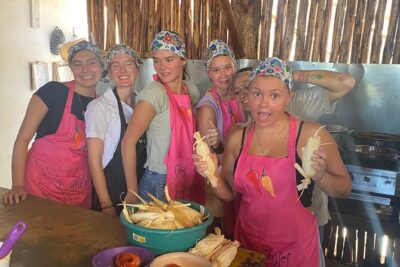 ★ 5.0Tamales or chiles rellenos cooking class,tequila & Mezcal tasting17 reviews
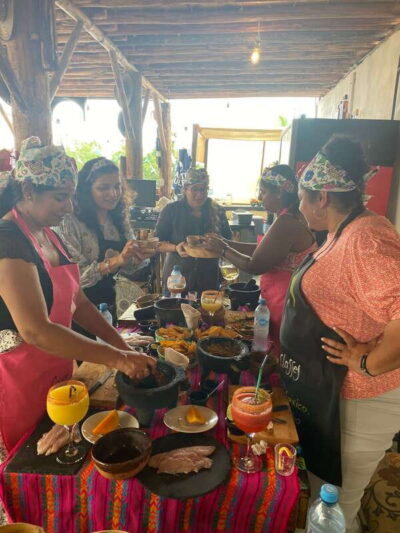 ★ 4.8San José del Cabo:Cooking Class +Margaritas & Mezcal tastingFrom $11512 reviews
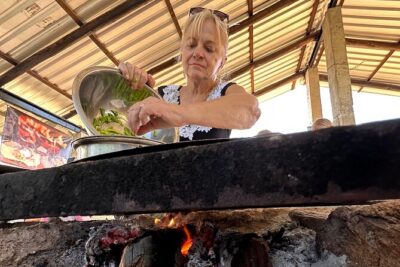 ★ 5.0Azteca Tacos Cooking ClassFrom $13510 reviews
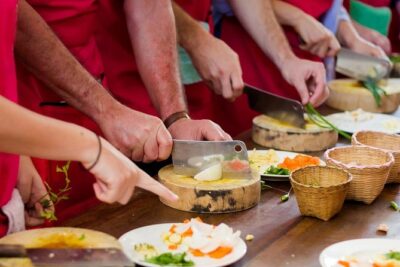 ★ 5.0Private Mexican Cooking Class in Your Cabo San Lucas Villa or CondoFrom $908 reviews
 ★ 4.8San José town : Cooking class,mexican Empanadas y antojitosFrom $1414 reviews
Browse the lists this tour appears in