
Reviewed · LOS CABOS WHALE WATCHING TOURS
Cabo: Whale-Whatching Boat Trip w/ All-Women Crew and Photos
Whale songs, right under the surface. This Cabo Nature trip pairs a marine biologist with real-time humpback sightings, plus the chance to hear whale communication through a hydrophone. I especially like the small group setup, which makes it easier to see and photograph whales without a crowded circus. One possible drawback is you can get wet from wave spray, and sightings depend on ocean conditions.
You start with a quick coastal moment on land, including a photo stop at Cabo Arch, then you head out to search for humpbacks in either the Pacific Ocean or the Sea of Cortez. The whale-watching second-tour free warranty is a nice pressure reducer if whales are not found on the first outing.
The tour runs about two hours and the morning option often means calmer water and better viewing. Just note it is not a fit for pregnant travelers or anyone with back or neck issues.
Key things that make this tour worth your time
- All-women crew feel with marine biology-led interpretation on board
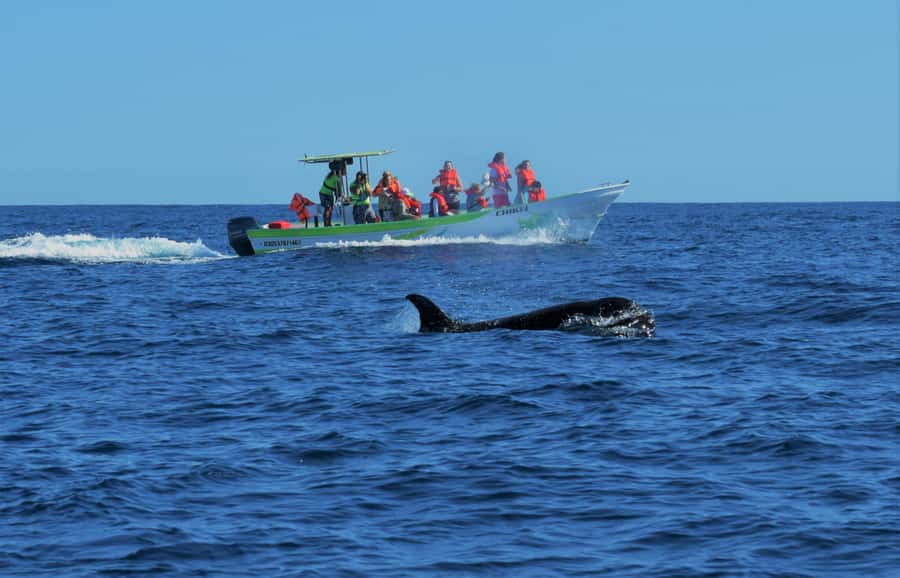
- Max 12 guests on an 8-meter boat for closer, calmer viewing
- Hydrophone time to hear the underwater song if conditions allow
- Cabo Arch photo stop before the search begins at sea
- Whale-watching warranty with a free second tour if you do not see whales on the first trip
- Digital photos included, so you can actually enjoy the view instead of screen-staring
Cabo Nature whale watch, the short and sweet version
This is a focused, two-hour outing built around one goal: get you close to humpback whales in Los Cabos waters, with extra education layered in. You are not spending half a day riding around. You are also not left to guess what you are looking at once you spot a whale.
The vibe is small, organized, and surprisingly personal. With a max group size of 12 on a small 8-meter boat, your chances of seeing whales clearly go up, and your odds of getting good photos from different angles feel better too. If you care about hearing the whales, the onboard hydrophone is one of the most distinctive parts of the experience.
You can also read our reviews of more boat tours in Cabo San Lucas


Meet the crew, and why it matters on the water
The tour is guided by a qualified marine biologist, and the crew is all-women. Depending on your departure, you may sail with guides such as Aurora, Nina, Maria, Marina, Mariana, Mireya, Marianna, or Ana, and you may ride with captains like Belem or Oscar. Even when faces change, the pattern is consistent: safety, whale-focused behavior, and clear explanations.
This matters because whale watching is not just about finding whales. It is about positioning the boat respectfully, staying in the right place long enough to learn what you are seeing, and not turning the whole outing into a chase. Multiple departures highlight that the captain keeps a respectful distance and works to observe rather than harass.
Also, having a marine biologist on board changes the tone from sightseeing to understanding. You get context for humpback behavior and communication, and the hydrophone moment feels less random and more meaningful.
The boat setup: small group comfort plus real photo angles
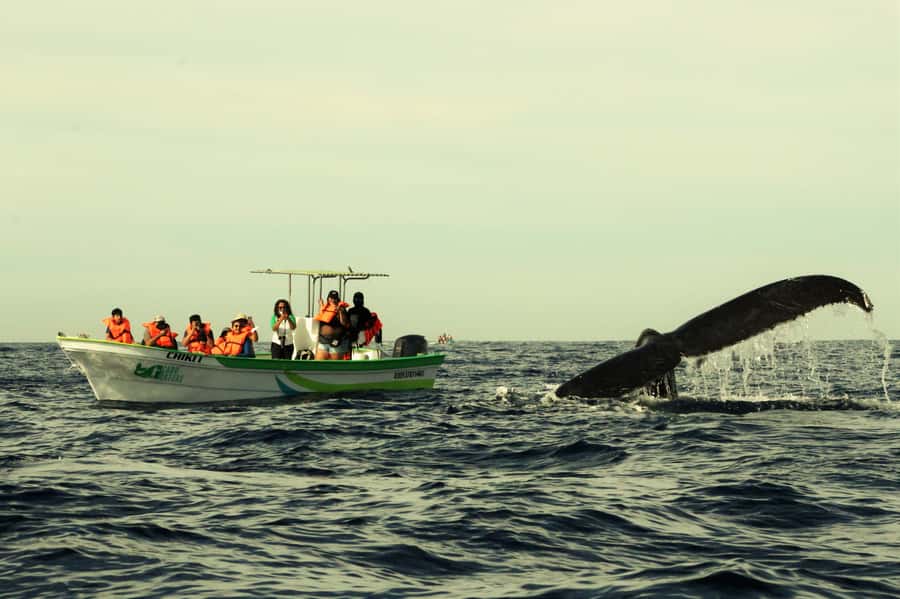
You travel on a small boat, described as an 8-meter vessel with a covered, panga-style feel. The goal is practical: a smooth ride, space to move when whales surface, and access for photos without everyone hovering in one corner.
What stands out in the field notes from past trips is how crews handle viewing from both sides of the boat. On smaller boats, that is a big deal. You can shoot a better sequence when whales pop up and move, and you are less likely to have your camera blocked by a wall of heads.
You should still expect ocean spray. Even with a covered boat, the sea can kick up mist when conditions shift. If you hate getting wet, bring a warm jacket and treat this as a “dry-ish” experience, not a guaranteed dry one.
Before the whales: Cabo Arch and the first round of photos
Most trips begin with coastal sightseeing, plus a stop at Cabo Arch for a photo opportunity. This is not just a scenic warm-up. It helps you connect Cabo’s famous landmark to what you will see next, since you are going from “postcard views” to the real wildlife action offshore.
For photography, it is worth keeping your camera ready during the Arch stop, then switching gears once you get to open water. You will likely be shooting through changing light and spray at sea, so it helps to start with a quick, steady framing on land while the light is controlled.
Then you head out to search for whales. Where you go depends on weather.
Where you sail: Pacific Ocean or Sea of Cortez
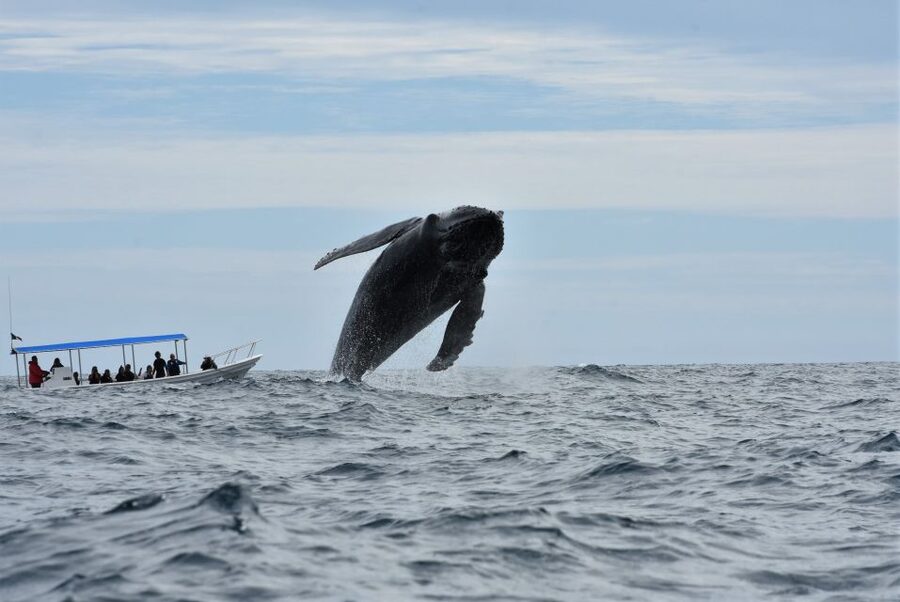
You are searching for humpback whales in either the Pacific Ocean or the Sea of Cortez, based on what the conditions allow. That flexibility is a smart operating choice. It keeps the crew from forcing the same route regardless of wind, swell, or visibility.
The practical takeaway for you is simple: ocean weather matters. Even when the crew is excellent, you cannot control wind or wave conditions. That is why the morning slot is often recommended, and why the warranty exists.
If you happen to see other wildlife too, it is a bonus rather than the main event. Past departures have included sightings like gray whales and occasional marine animals such as dolphins, sea turtles, sea lions, and rays. When that happens, the biologist can usually explain what you are seeing in plain language.
You can also read our reviews of more whale watching tours in Cabo San Lucas
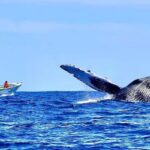
The whale search: how to get the best viewing in 2 hours
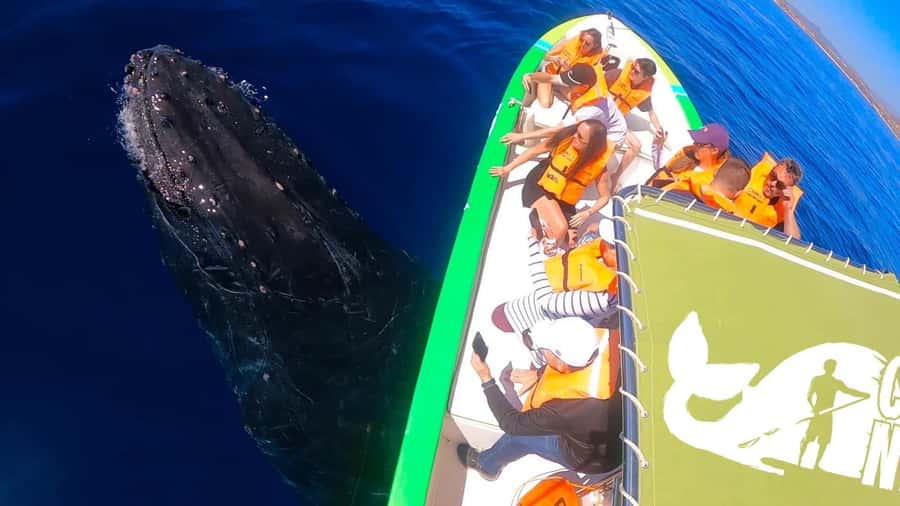
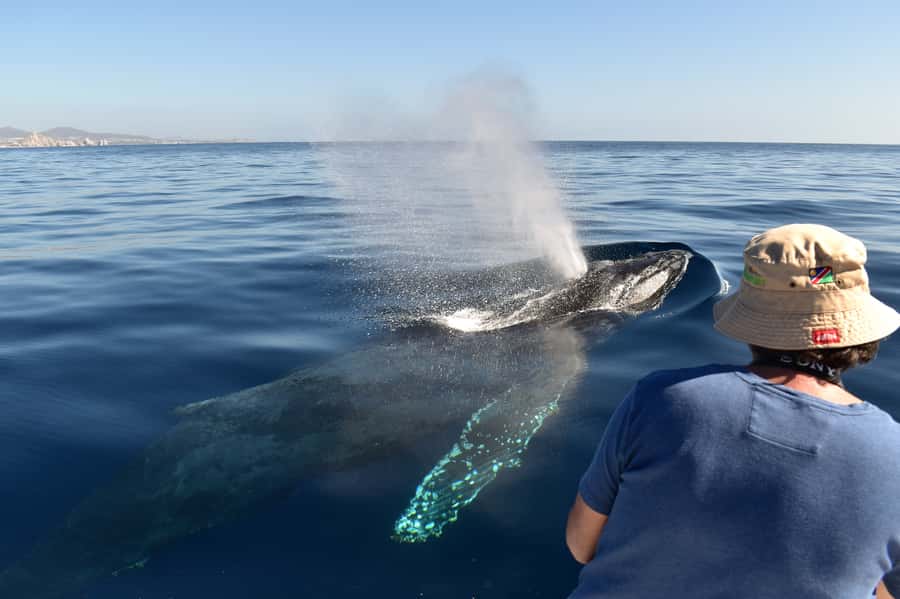
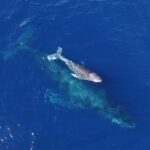
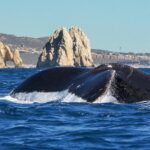
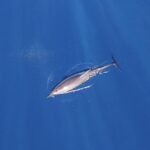
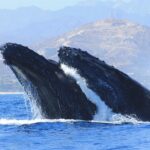
Once you spot whales, the key is patience and observation. Humpbacks can surface, linger, dive, and reappear. The most memorable moments tend to come when you watch for patterns: how whales move, where they surface, and what behaviors show up next.
Because this is a short tour, you also want to be mentally ready to pivot fast. Keep your camera accessible, but do not lock yourself into filming all the time. The goal is to see the behavior first, then capture it.
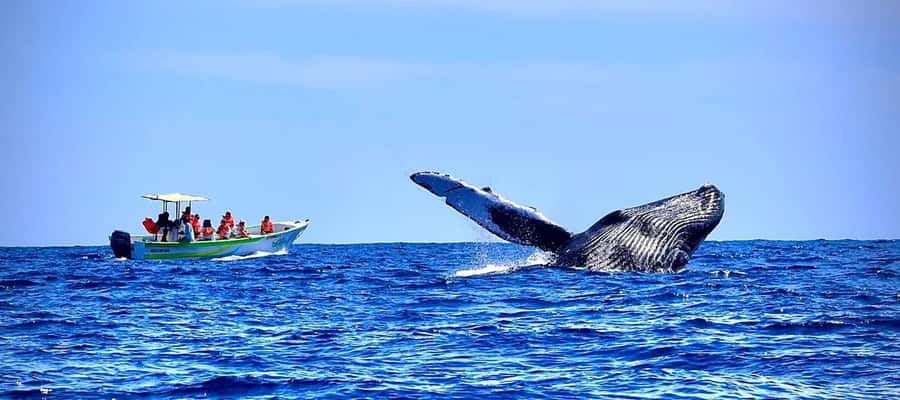
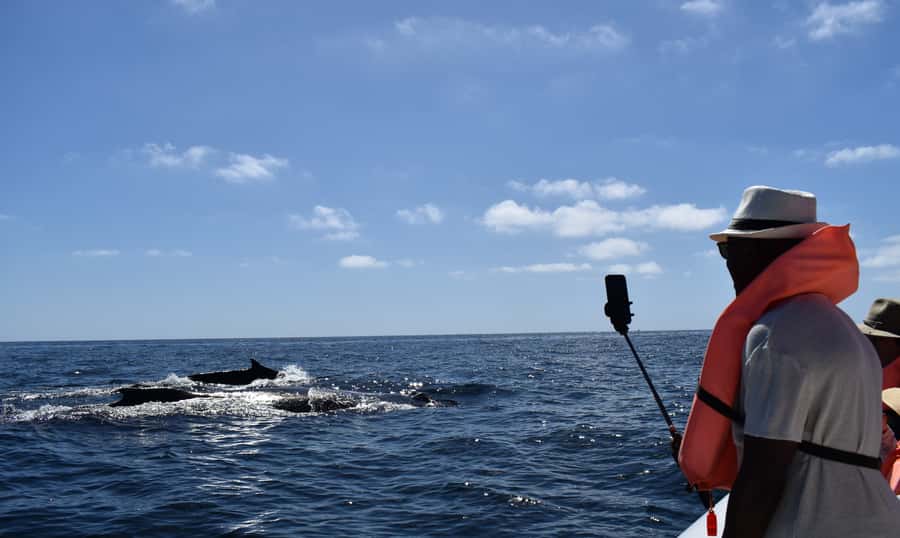
If you are lucky, you may see mother and calf pairs and more active surface behavior. Some departures note close-up moments where whales swim nearby and even breach. If you do not see breaches, that does not mean the trip was a “miss.” Breathing and tail-slapping still tell you a lot, and the best whale watching often includes quiet moments where you just watch.
The hydrophone moment: hearing the underwater song
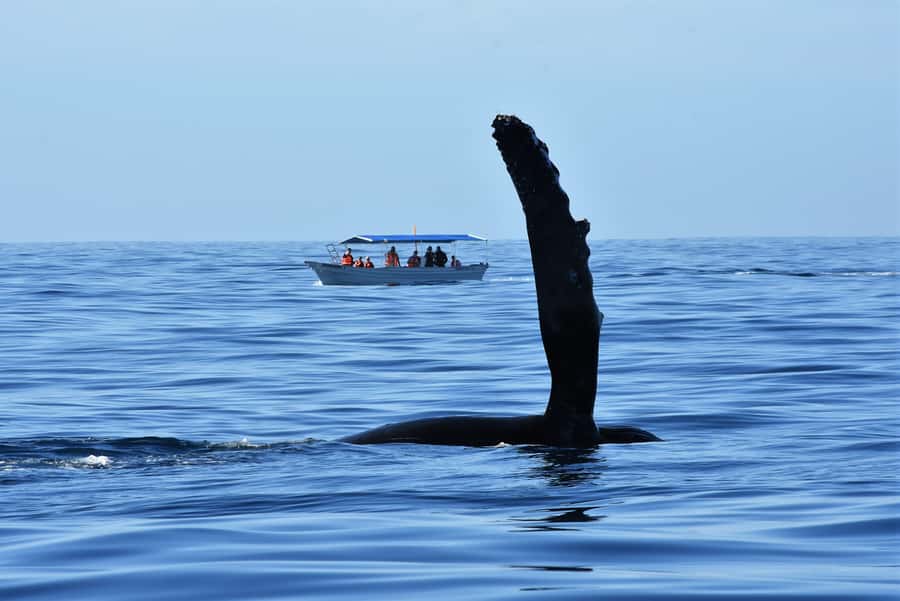
If time allows, you get to listen to humpbacks through the hydrophone. This is the part that turns whale watching from visual-only into sound-and-science.
The hydrophone experience is also a huge “wow” factor because it gives you a tangible sense of whale communication. Instead of guessing what you are looking at, the crew can connect the behavior to the sounds you hear. On past trips, guests have even mentioned hearing male singing through the hydrophone.
In practical terms, treat it like a moment to put your phone away. If you keep filming, you can miss the feeling of the sound itself. When the hydrophone is playing, it helps to stand or sit where you can focus without bumping into other people.
Digital photos included, and why that changes the trip
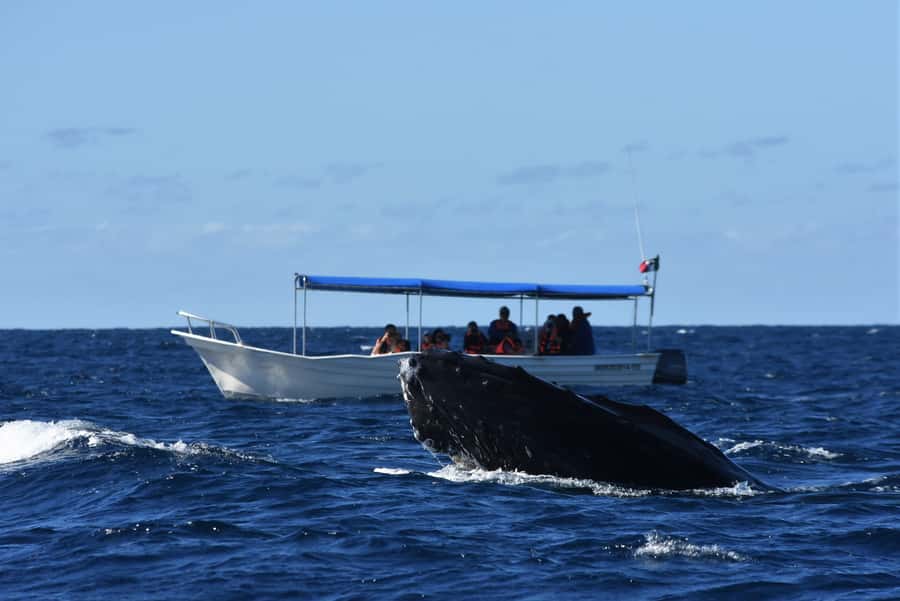
This tour includes digital photos, captured by the crew. That sounds like a small perk until you realize what it solves: you do not have to choose between getting a great photo and actually watching the whale.
Past departures also highlight how guides handle the photo-taking, so you can stay focused on viewing rather than constantly toggling between camera settings and the live screen. In some cases, crews uploaded photos to the email used for booking, which is an easy way to receive them after you get back to shore.
One practical note: photo delivery can work smoothly, but a couple of past guests wished the download process was easier. If photos are important to you, it is worth double-checking how you will receive them when you get your confirmation.
Timing advice: why mornings often feel calmer
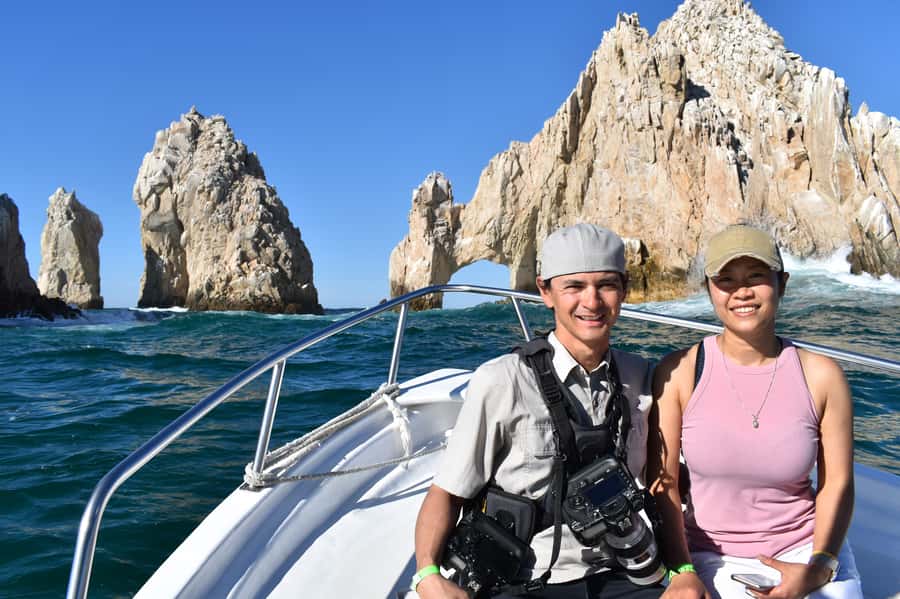
The tour runs in morning and afternoon. Morning trips are often recommended because water tends to be calmer, and calmer water helps with visibility and positioning. It also helps keep the experience more comfortable on a small boat.
If you are choosing between the morning and afternoon slots, I would lean morning when possible. You are still doing whales, but the odds of a smoother ride tend to be better.
Price and value: what $91 buys you besides the boat ride
At $91 per person for a two-hour outing, you are paying for more than time on the water. You are paying for:
- a small group experience (max 12)
- a marine biologist on board
- hydrophone audio if conditions allow
- digital photos included
- bottled water
Then there is the whale-watching warranty. If whales are not found on the first tour, you get a second tour free. That is not common on every excursion type, and it meaningfully improves your risk level. You are not just buying “a chance.” You are buying a plan.
The main value tradeoff is duration. Two hours can be perfect if you see whales quickly. If whales are slow that day, it can feel short. Still, the free second tour helps balance that reality.
What to bring, so the day stays fun
Here is what you should pack, based on what the tour calls for.
- Warm clothing and a jacket for sea breeze
- Sunglasses
- Your camera
- Biodegradable sunscreen
- Anything that protects you from spray, since you might get wet
Also, bring a practical mindset. You are on the ocean. Your “dry clothes” plan should be flexible.
Some departures mention rain gear being provided, but do not count on it as your only layer. If you run cold easily, wear extra warmth. In Cabo, you can still feel the chill when the wind hits you out on the water.
Who should book this whale watch, and who should skip
This tour is a strong fit if you want a short, high-focus whale experience with education and a hydrophone component. It is also a good match if you prefer a small boat over big-fleet chaos.
It is not suitable for:
- children under 5
- pregnant women
- people with back problems
If you fall into those categories, you will want to look for another wildlife option that fits your body and comfort needs. On a small boat, movement and wave action can be harder than it looks.
Small-day realities, and how to handle them
Even with an experienced crew, whale sightings are never guaranteed in the way a zoo exhibit is. What you can control is your expectations and readiness.
If you do not see whales on the first tour, the free second outing is the built-in remedy. What that means for you is simple: if you really want whales, treat your first trip date as part of a two-step plan. If conditions are rough, go anyway. The tour is designed around that uncertainty.
Also, think about comfort. A couple past departures noted issues with parking and meeting-time timing. The meeting point is La Terminal de Cabo, right in front of Breathless Hotel. Give yourself extra minutes to find the spot and settle before you board.
Should you book this Cabo whale-watching trip?
Book it if you want:
- Humpback whale viewing in a small-group format
- the chance to hear whale singing through a hydrophone
- a two-hour outing that feels focused, not dragged-out
- digital photos included, with a marine biologist on board
- lower risk thanks to the second-tour free whale-watching warranty
Skip it if:
- you are pregnant, have back or neck issues, or need a more accessible setup
- you hate the idea of getting wet from spray
- you only want a full-day experience with food included
If you are planning a Los Cabos trip and want your whale moment to feel personal, educational, and photo-friendly, this one fits. Choose the morning slot when you can, pack warm layers, and keep your camera ready but your eyes even more ready.
FAQ
How long is the whale watching tour?
The tour lasts about 2 hours.
Is a whale sighting guaranteed?
Yes. If you do not see whales during your first tour, you are offered a second tour free of charge.
Are photos included?
Yes. Digital photos are included with the tour.
Where do I meet the guide?
Meet your guide in front of La Terminal de Cabo. The guide will be wearing a green shirt with the Cabo Nature logo. La Terminal de Cabo is right in front of Breathless Hotel.
What language is the tour guide?
The tour offers live guidance in English and Spanish.
What should I bring, and will I get wet?
Bring warm clothing, sunglasses, a camera, biodegradable sunscreen, and a jacket. There is a chance you may get wet from wave spray.
Is there free cancellation and pay later options?
Yes. You can cancel up to 24 hours in advance for a full refund. There is also a reserve now and pay later option, so you can book and pay later.
More Whale Watching Tours in Cabo San Lucas
More Boat Tours & Cruises in Cabo San Lucas


More Tour Reviews in Cabo San Lucas



Not for you? Here's more nearby things to do in Cabo San Lucas we have reviewed








Los Cabos Whale Watching Tours, compared.
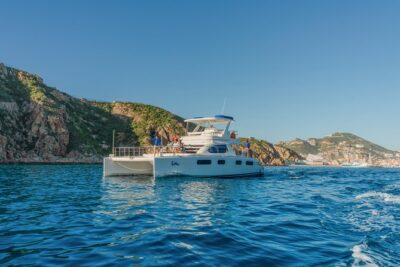 ★ 5.0Luxury Catamaran Whale Watching Cabo San LucasFrom $1292,107 reviews
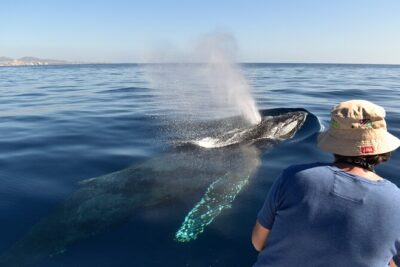 ★ 5.0Whale Watching Cabo-Women crew-Sightings Guaranteed & Free PhotosFrom $1001,743 reviews
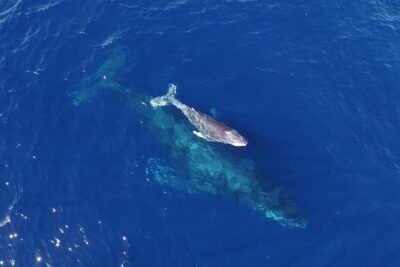 ★ 5.0SMALL GROUP Whale Watch | Cabo San Lucas | Biologist | FREE PicsFrom $1091,106 reviews
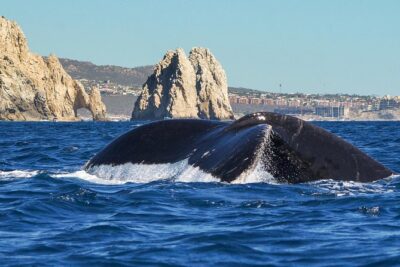 ★ 5.0Humpback Whales in Cabo San LucasFrom $991,005 reviews
 ★ 5.0Whale Watching, The Famous Arch and Fast Boat Tour in Los CabosFrom $99693 reviews
 ★ 5.0ZODIAC Whale Watch Tour | Cabo San Lucas | Biologist | FREE PicsFrom $109365 reviews
 ★ 5.0Los Cabos Whale Watching (Transportation and Pictures Included)From $90290 reviews
 ★ 5.0Whale Watching Group Tour in San Jose del CaboFrom $99243 reviews
Browse the lists this tour appears in