
Reviewed · LOS CABOS & BAJA SNORKELING TOURS
Whale Shark snorkeling tour in a reduced group with local marine biologist
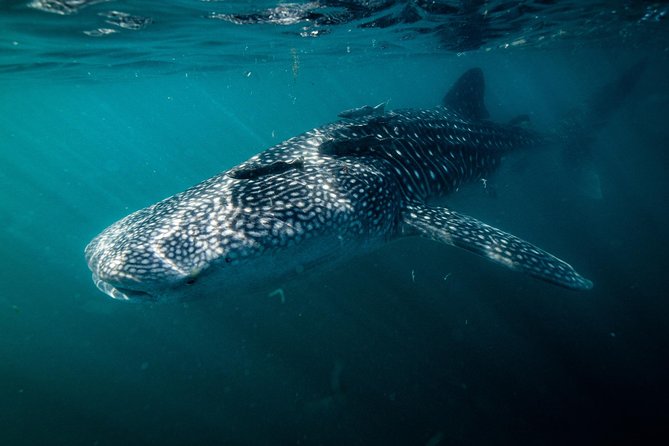
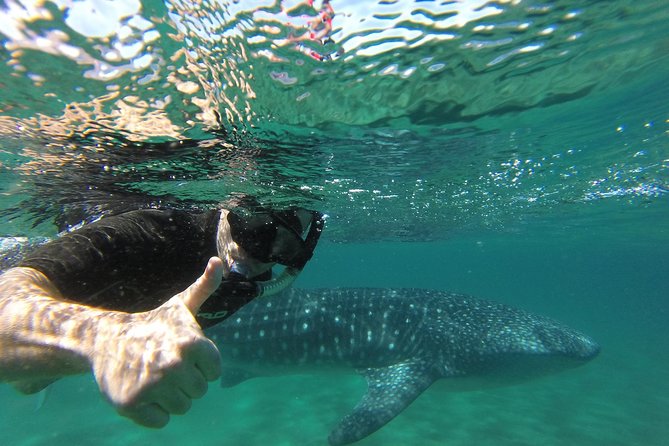
Big sharks, calm water, smart rules. This whale shark snorkeling tour in La Paz is built around a local marine biologist who helps you see the animals while following federal guidelines and respectful distances. It runs with a reduced group, plus the shop-loading details that make an on-water day feel smoother.
I love the small-group setup and the way the crew keeps things organized in the water. The boat team works with a strict turn system in a limited whale shark area, and that focus on animal care is exactly what makes this experience feel more serious than a quick snorkel stop.
One consideration: your time in the water can vary by the day’s rotation, since the whale shark zone allows only a set number of boats at a time. On some days you might get a later turn, and sea conditions can also trigger schedule changes or cancellations.
Key points before you go
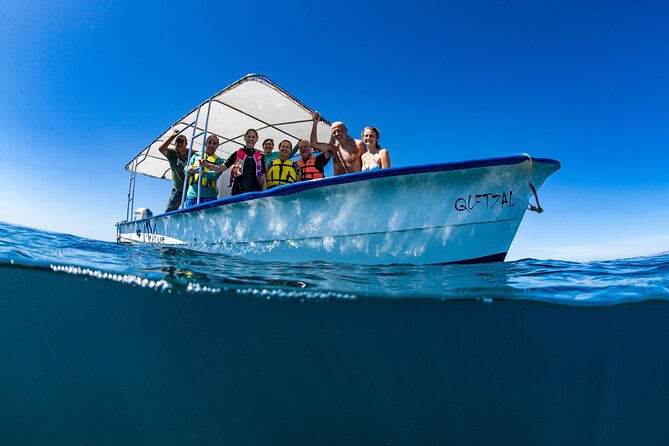
- Reduced group size (max 9 travelers) helps the guide manage everyone safely
- Marine biologist-led instruction centers rules, respect, and what to do if conditions change
- Surface-only snorkeling is enforced, no freediving, per federal regulations
- Turn-based access in the whale shark area means you do multiple entries, but timing can shift
- GoPro photos and videos included arrive by email in 2 to 3 days (quality depends on visibility)
- 3mm wetsuit shorties and snorkel gear are provided, plus light snacks, soda, and water
La Paz whale sharks: why this tour works even when nature shifts
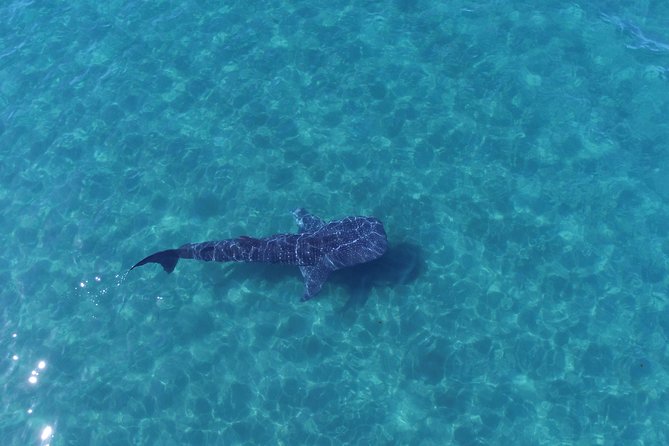
La Paz whale sharks are the kind of wildlife encounter you plan for, then respect when it shows up on its own schedule. You are snorkeling in the whale shark’s natural habitat, so visibility, how many sharks appear, and how long you’ll be able to swim with them are not guaranteed.
What I like here is that the tour does not sell a fantasy timeline. The crew sets expectations early, and they explain that the whale shark area is managed with boat limits and assigned turns. That matters because it helps you avoid the common frustration of waiting around without context.
Also, the tour stays focused on safe, surface snorkeling. Freediving is not allowed, which keeps the experience consistent for the group and aligned with regulations.
You can also read our reviews of more whale watching tours in La Paz
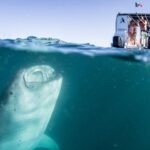
Meeting at Topete 125, then getting gear ready fast
The tour starts at Topete 125 in Zona Comercial, La Paz. You’ll meet there, then get sorted for the boat ride and your water time.
Gear is handled for you: wetsuits are provided (3mm shorties), along with your mask, snorkel, and fins. You do want to bring a towel, warm layers, and biodegradable sunscreen. This is especially important Nov to Mar, when you’ll likely feel the chill once you’re in the water and then back on the boat.
One smart detail: you’re told to plan for small jellyfish that may be around. That doesn’t mean a problem is guaranteed, but it’s good that the guide frames it as normal ocean conditions rather than something alarming.
Small boat, strict animal rules, and the turn system (max 14 boats)
This is where the tour’s structure becomes the value. Whale shark access is restricted to only 14 boats at the same time in the area, so the day is run like timed sessions.
In practice, that means your group receives assigned turns, and you usually get the turn you requested about 95% of the time. Some days that can slip later, and your meeting time may change. The tour also asks you to make sure the contact email or phone you gave is reachable during your stay, because schedule adjustments may happen with short notice.
You’ll be part of a reduced group, with a maximum of 9 travelers. Many participants report snorkeling in small groups at a time, which helps the biologist keep eyes on everyone and keep the boat at a safe, respectful distance.
What snorkeling time feels like, and why it can vary by group
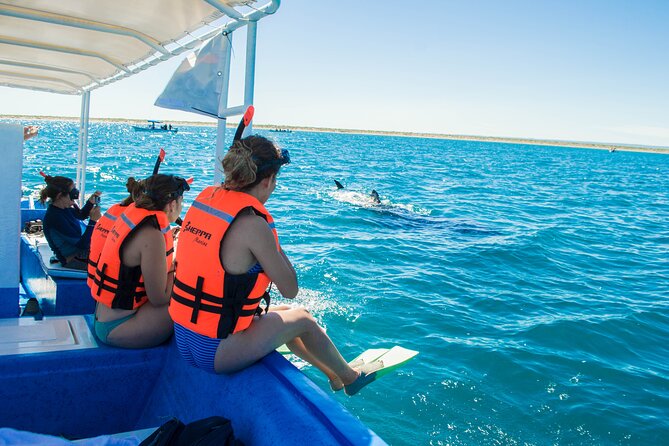
You’re going to enjoy multiple swims with the whale sharks. Your exact count of entries can vary by the day’s sightings and the turn rotation, but several participants describe getting three water entries, with some entries lasting longer than others.
Here’s what to expect from the real-world rhythm:
- You’ll get clear guidance before you enter the water on how to behave around the sharks.
- You snorkel at the surface only, and you should be prepared to move quickly.
- When the whales swim, they can swim fast, so staying alongside them takes effort.
One thing a few people noted: if you’re not in the first assigned group, your snorkeling windows can feel shorter on days when the rotation gets tight. This is not a reason to avoid the tour, but it is a good heads-up if you are picky about maximizing time in the water.
The guide experience: marine biologists like Angel, Carla, and the whole safety culture
The biggest “why this tour” factor is who runs it. This is led by a local marine biologist, not just a general tour guide. In the feedback, names like Ángel and Carla come up again and again, both described as patient, friendly, and focused on rules and respectful behavior.
You can also see a consistent pattern in the way they work:
- They explain what not to do in the water before anyone enters.
- They guide you toward the sharks and help you get a safe view.
- They pay attention to comfort and confidence, including taking a hands-on approach for someone who might struggle to keep up.
In one standout account, Ángel was praised not only for safety and education but also for using GoPro to capture moments when people weren’t getting great photos in the water. That extra effort shows up in the “included” video and photo delivery later.
The captain matters too. Captain Marco appears in one review as working hard to position the boat for multiple chances. Other captains are praised for keeping a respectful distance while staying close enough for you to swim to the sharks. In whale shark encounters, both skills matter: safe distance for the animals, and smart positioning for you.
You can also read our reviews of more snorkeling tours in La Paz
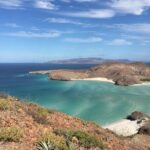
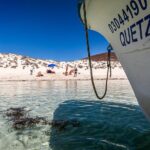
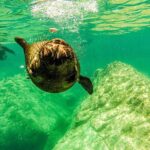
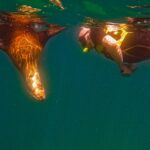
Riding out to the whale shark area: calm when you get lucky, choppy when you don’t
The boat ride is part of the day, and it can range from smooth to choppy. The tour notes that sometimes waves are moderate, and on some days with high winds the bay may close officially to all boat tours.
If that closure happens, the tour will be canceled. The timeline given is typically 1 to 2 days in advance, which is helpful because it gives you time to adjust. Communication is a recurring theme in feedback, with people describing early warnings about wind and weather risk.
If you get a calm day, you may spot whale sharks fairly quickly. Some participants describe a spotting time around an hour, then multiple water opportunities afterward.
Practical move: bring warm clothes and plan for wind on the boat. Even if the day feels warm on land, you can feel the chill out at sea.
Photos and videos: what you get, and how to supplement if you care about footage
You’ll get GoPro photos and videos included. Delivery is emailed in 2 to 3 days after the tour. Quality depends on the day’s conditions, especially water visibility and how the sharks move.
A key detail for expectations: you are not just being filmed for a souvenir. The guide and captain use GoPro during your encounter to document what matters, and several participants appreciated that when their own footage did not come out well.
Should you bring your own GoPro? One review says it helped them get more footage, while another person regretted using a personal GoPro because the water was murkier than expected. If you bring your own camera, keep it simple and focus on safety and following the guide’s instructions first.
Also, if you care most about whale shark size and feeding behavior, remember that a surface swim with strong motion often makes it hard to frame perfect shots. The tour’s included filming removes that stress for you.
Light refreshments, plus what the mid-snack really means
Light refreshments are included: snacks, soda, and water. Most people treat that as a bonus because the main event is the water time.
One review called the snacks mid, which is a fair way to say it: do not plan your day around the food. Plan for a normal meal before the tour and keep the snacks as a “nice to have” rather than a core part of your nutrition plan.
Conservation permits and respectful interaction: why this tour feels more responsible
This tour includes federal permits and a donation for whale shark conservation. That tells you you’re not on a random outing, and it aligns with the way the marine biologist handles the rules.
The recurring theme in feedback is animal respect, including safety distance and controlled boat behavior. People praised the guide for keeping the environment protected and for encouraging participants to follow instructions even when it feels counterintuitive at first.
You also get a reality check: you cannot control sightings. Sometimes the whale shark shows up, sometimes it swims past. The crew’s job is to manage the interaction responsibly, not manufacture a guarantee.
Price and value at about $190.77 per person
At $190.77 per person for an approximately 3-hour tour, the price can feel steep at first glance. The value comes from what’s bundled into that fee.
Here’s what you’re paying for, beyond the boat ride:
- Certified guide and captain
- Use of snorkel equipment and wetsuits (3mm shorties)
- Federal permits plus a whale shark conservation donation
- Traveler’s insurance
- GoPro photos and videos delivered after the tour
- Light refreshments, plus soda and water
You also don’t have to rent the core water gear. That can easily add up if you’re traveling light. And the marine biologist component is not just a marketing line. The guide role shows up in the safety briefing, group management, and the effort used to help you get the best views.
What is not included is also part of the value math: transportation to and from the attraction, towel, sweatshirt, and biodegradable sunscreen. If you factor in those basics, the overall cost becomes more reasonable.
Who this snorkeling tour fits best, and who should rethink it
This tour calls for moderate physical fitness. You’ll be asked to snorkel at the surface and keep pace when the sharks swim. Multiple participants described that you sometimes have to swim hard to stay alongside them, so this is not a totally “sit back and float” kind of outing.
It also has safety restrictions. Federal regulations mean the activity is restricted if you are pregnant, or if you have heart, neck, or breathing problems. Freediving is also not allowed.
If you’re comfortable snorkeling and you enjoy learning while you’re doing it, this tour is a strong match. If you are easily overwhelmed by wind, cold water, or fast-moving conditions, plan on warming up before the water time and focus on following the guide’s pace.
Should you book this La Paz whale shark snorkeling tour?
I think you should book if you want a whale shark encounter that prioritizes safe, rules-based interaction and you value education from a marine biologist. The reduced group size, the 3mm wetsuit gear setup, and the included GoPro documentation are practical perks that make it feel like a complete experience, not just a ticket to a boat.
I’d pause and consider your expectations if you care a lot about being in the water for the absolute longest possible time, because the local turn system can shift your snorkeling windows. Weather is also the wildcard. When the bay closes for high winds or rough seas, the tour cancels and you need a flexible schedule.
If you are in La Paz with enough time to adjust your plans, this is the kind of tour that can land as a real highlight, especially when the day runs calm and the sharks keep circling close enough for multiple swims.
FAQ
Where does the whale shark snorkeling tour meet in La Paz?
The meeting point is Topete 125, Zona Comercial, 23000 La Paz, B.C.S., Mexico.
How long is the tour?
The duration is about 3 hours.
What snorkeling equipment and clothing are included?
You get snorkel equipment and wetsuits, specifically 3mm shorties, plus a mask, snorkel, and fins.
Does the tour allow freediving?
No. Freediving is not allowed due to federal regulations. The activity is surface snorkeling only.
How many people are on the tour?
The tour has a maximum of 9 travelers. It also mentions personalized small group time and snorkeling no more than 8.
Will I definitely see whale sharks?
No. Whale sharks are in their natural habitat, so visibility, how many sharks you see, and for how long can’t be predicted 100%.
What happens if the weather is bad?
If bad weather requires it, the tour will be canceled, and you’ll usually find out 1 to 2 days in advance. If the tour is canceled due to poor weather, you’ll be offered a different date or a full refund.
When will I receive the photos and videos?
The footage will be sent in 2 to 3 days after the tour.
What should I bring with me?
Bring a towel and warm clothes, especially Nov to Mar. Also bring biodegradable sunscreen. The tour notes that towel, sweatshirt, and biodegradable sunscreen are not included.
Who is the tour restricted for?
It is restricted for safety and federal regulations to women in pregnancy, and to people with heart, neck, or breathing problems.
More Whale Watching Tours in La Paz
More Tours in La Paz

More Tour Reviews in La Paz

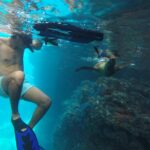
Not for you? Here's more nearby things to do in La Paz we have reviewed
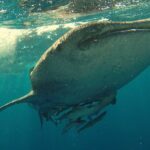
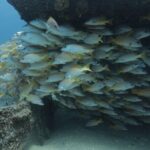
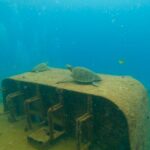



Los Cabos & Baja Snorkeling Tours, compared.
 ★ 5.0Los Cabos Luxury Sailing, Snorkel and Lunch CruiseFrom $1493,515 reviews
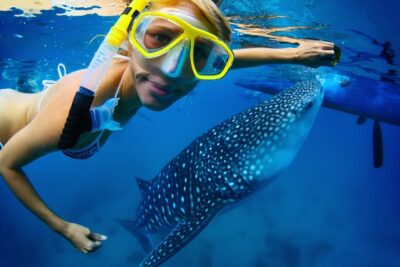 ★ 5.0La Paz Whale Shark Snorkeling Tour and Lunch From Los CabosFrom $2591,066 reviews
 ★ 5.0Kayak Expedition to the Arch of Cabo San Lucas, Lovers Beach & SnorkelFrom $90976 reviews
 ★ 4.5Los Cabos Power snorkel Adventure, Kayaking and Stand-Up PaddleFrom $99872 reviews
 ★ 5.0Half Day Cabo Snorkel Adventure with Lunch and Open BarFrom $149852 reviews
 ★ 5.0Lands End Luxury Sail and Snorkel Cruise in Cabo San LucasFrom $105816 reviews
 ★ 5.0Cabo Blue Snorkeling Cruise, Open Bar and Lunch in Cabo San LucasFrom $79686 reviews
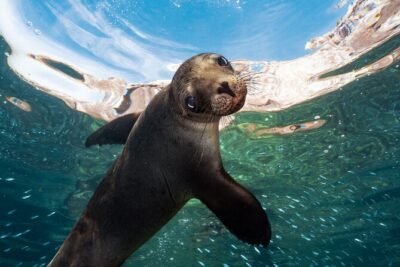 ★ 5.0Adventure to Espiritu Santo Island: Snorkel with Sea Lions and BeachFrom $136661 reviews
Browse the lists this tour appears in